
Introduction
When it comes to choosing a home, one of the biggest decisions you’ll face is whether to live in an apartment or a villa. Each option has its unique benefits and drawbacks, and the right choice depends on your lifestyle, budget, and long-term goals. This guide will help you navigate the key differences and make an informed decision between apartment and villa living.
Understanding Apartment Living
Space and Layout
Apartments typically offer compact living spaces compared to villas. They are designed to maximize functionality, with smaller bedrooms, shared walls, and efficient layouts. If you prefer a cozy, manageable space without the burden of extensive maintenance, apartments are ideal.
Amenities and Facilities
Modern apartment complexes often come with a range of shared facilities, such as gyms, swimming pools, parks, and community halls. These amenities enhance your lifestyle without the need for additional investment. Apartments also tend to have round-the-clock security, providing peace of mind for families and singles alike.
Cost Considerations
Apartments are generally more affordable than villas, both in terms of purchase price and ongoing maintenance. Shared expenses like electricity, water, and security are often included in service charges. This makes apartments suitable for first-time buyers or those looking for a budget-friendly option in prime locations.
Location Benefits
Apartments are usually located in urban centers or near business hubs, offering easier access to work, shopping, and entertainment. If convenience and shorter commutes are important to you, apartment living is hard to beat.
Exploring Villa Living
Space and Privacy
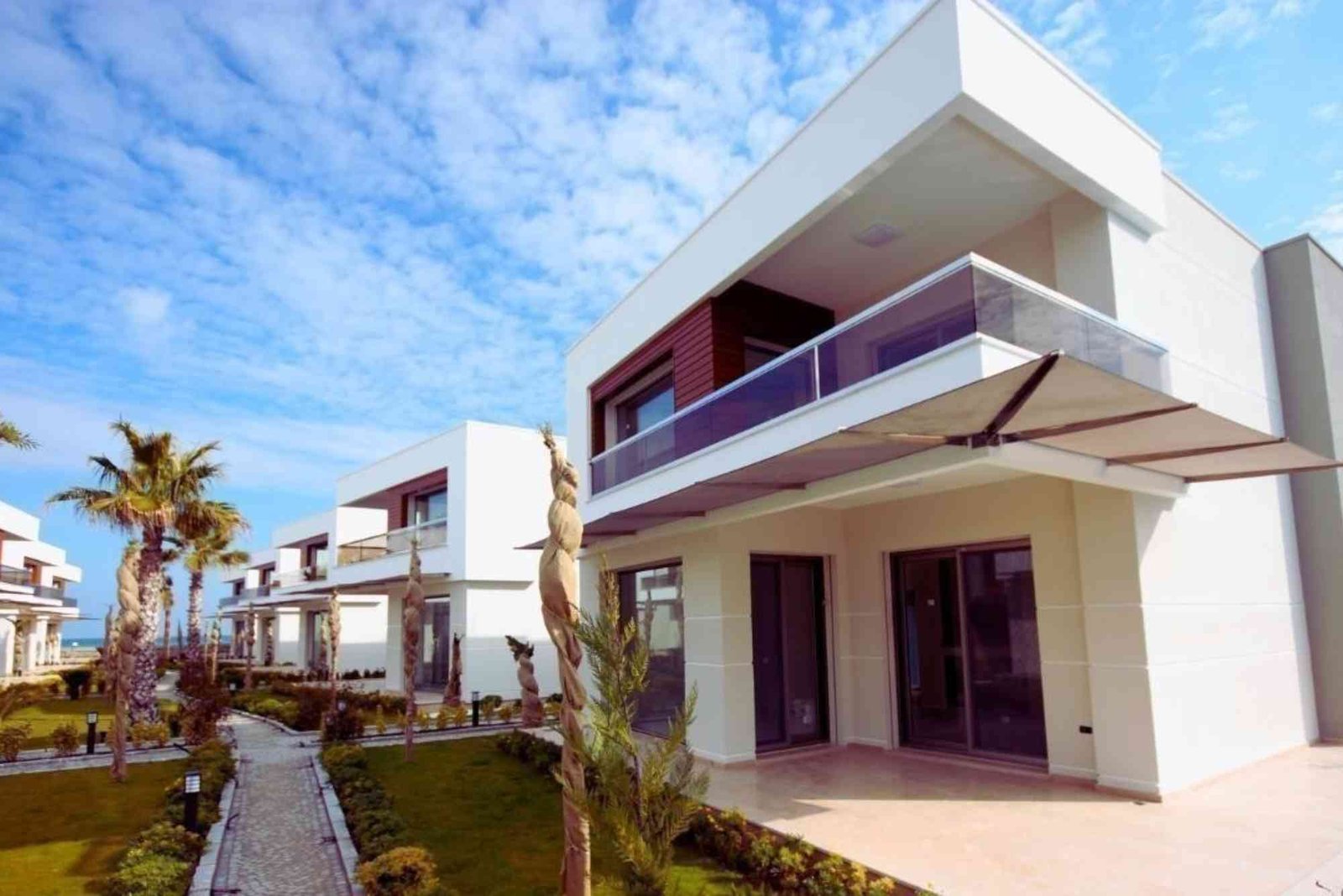
Villas provide larger living spaces with private gardens, driveways, and multiple floors. The added space allows for more customization, from additional rooms to private recreational areas. If privacy and room to grow are top priorities, villas offer unmatched freedom.
Lifestyle and Luxury
Villas often reflect a luxurious lifestyle with elegant designs, premium finishes, and exclusive neighborhoods. They allow you to enjoy outdoor spaces, host gatherings, and maintain a high level of comfort without sharing walls or facilities with neighbors.
Investment Value
While villas come with higher upfront costs, they can offer long-term investment value, especially in developing or upscale areas. Properties with unique architectural designs, private amenities, and prime locations tend to appreciate over time.
Maintenance Responsibilities
Unlike apartments, villas require personal upkeep of both interior and exterior spaces. Gardening, repairs, and security are your responsibility, which may increase long-term costs and effort. However, for those who value independence and control over their property, this is often worth the investment.
Comparing Apartments and Villas
Affordability vs. Space
Apartments win on affordability, while villas provide more space. Your budget will largely determine which option suits you better.
Community vs. Privacy
Apartment complexes foster a sense of community and social interaction. Villas, on the other hand, prioritize privacy and solitude, ideal for families or individuals seeking a quieter lifestyle.
Urban Convenience vs. Suburban Luxury
If you thrive in city life with easy access to work and entertainment, apartments are better positioned. Villas are often located in suburban or less densely populated areas, offering serenity but potentially longer commutes.
Maintenance Effort
Apartments reduce personal maintenance responsibilities due to shared services, whereas villa living requires proactive management of all aspects of the property.
Factors to Consider Before Making a Decision
Lifestyle Needs
Consider your daily routine, family size, and social habits. Do you value community interactions or private space? Do you need proximity to work and schools?
Budget and Financial Planning
Calculate the total cost of ownership, including mortgage, utilities, maintenance, and potential renovations. Apartments may be more accessible initially, but villas can be a better long-term investment.
Future Growth
Think about your long-term goals. Are you planning to expand your family, or do you anticipate needing more space for hobbies, home offices, or hosting guests?
Resale and Rental Potential
Assess the potential for resale or rental income. Apartments are often easier to sell or rent quickly due to affordability, whereas villas can attract high-end buyers or tenants willing to pay a premium.
FAQs
Which is better for families, apartments or villas?
Villas are generally better for families who value privacy and space, while apartments are suitable for smaller families or those who prefer convenience and shared amenities.
Do villas cost significantly more than apartments?
Yes, villas typically have higher upfront costs, larger maintenance expenses, and longer-term investments, but they also offer more space and privacy.
Are apartments a good investment option?
Apartments can be a good investment, especially in urban areas where demand is high. They offer rental potential and lower maintenance costs, making them ideal for first-time buyers or investors.
How important is location when choosing between an apartment and a villa?
Location is crucial. Apartments are often closer to work, schools, and shopping, while villas may provide a peaceful environment but could require longer commutes.
Which option requires less maintenance?
Apartments require less personal maintenance because shared facilities are managed by the building management, while villas demand full responsibility for upkeep.
Choosing between an apartment and a villa ultimately depends on your lifestyle, budget, and long-term goals. Apartments offer convenience, affordability, and community living, while villas provide space, privacy, and luxurious comfort. Consider your priorities carefully, visit properties, and assess both options before making a decision.
Top Home Features Buyers Demand in 2025 – As homebuyers look ahead, smart technology, energy-efficient appliances, and flexible living spaces are topping the list. Open layouts, eco-friendly materials, and home offices are increasingly sought after, making these features essential for anyone planning to sell or upgrade their home in 2025.