
Introduction
Transportation is evolving rapidly. With rising traffic congestion, environmental concerns, and increasing demand for safer and more efficient travel, traditional road infrastructure is no longer enough. Enter smart roads — innovative road systems integrated with cutting-edge technologies designed to enhance the way we travel. By combining sensors, communication networks, and data analytics, smart roads are not just futuristic concepts; they are actively transforming transportation as we know it.
In this article, we’ll explore how smart roads improve traffic management, enhance safety, support sustainable mobility, and prepare cities for autonomous vehicles.
What Are Smart Roads?
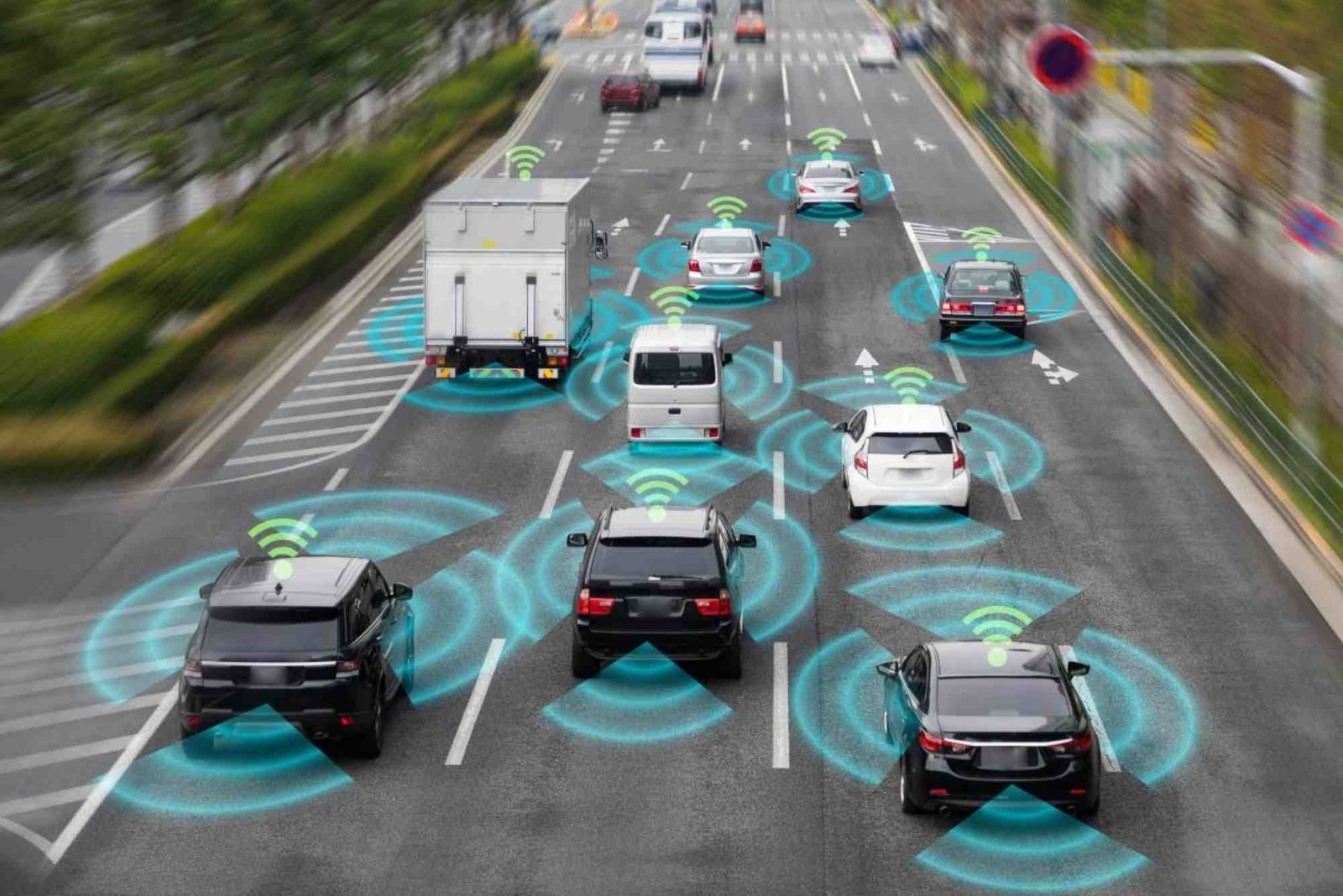
Smart roads are roadways equipped with advanced technology to monitor traffic, communicate with vehicles, and optimize road use in real time. They utilize a combination of:
- Sensors: Embedded in the pavement to detect traffic flow, weather conditions, and road damage.
- IoT Devices: Connect roads, vehicles, and traffic systems for continuous data exchange.
- Communication Networks: Facilitate vehicle-to-infrastructure (V2I) and vehicle-to-vehicle (V2V) communication.
- Energy-Harvesting Materials: Some smart roads can generate energy from solar panels or kinetic movement.
These innovations make roads more responsive and adaptive, offering significant benefits for drivers, cities, and the environment.
Benefits of Smart Roads
Enhanced Traffic Management
Real-Time Traffic Monitoring
Smart roads use sensors and cameras to track traffic in real time. This data allows traffic control centers to adjust traffic signals dynamically, reducing congestion and preventing bottlenecks.
Adaptive Traffic Signals
By analyzing vehicle density and flow patterns, smart roads can change traffic light timings automatically, improving traffic throughput and reducing commute times.
Incident Detection
Smart road systems can detect accidents, stalled vehicles, or debris and alert emergency services immediately, minimizing delays and preventing secondary accidents.
Increased Road Safety
Collision Prevention
Smart roads communicate with connected vehicles to warn drivers about upcoming hazards, sharp turns, or sudden traffic stops. These alerts reduce the likelihood of collisions.
Pedestrian and Cyclist Safety
By integrating motion sensors and smart crosswalks, roads can detect pedestrians or cyclists and alert approaching vehicles, significantly enhancing safety for non-motorized travelers.
Weather-Responsive Systems
Roads equipped with sensors can detect icy or wet conditions and activate warning signs, speed limit adjustments, or heating systems in critical areas to prevent accidents.
Environmental and Energy Benefits
Reduced Emissions
By minimizing congestion and stop-and-go traffic, smart roads reduce vehicle emissions, contributing to cleaner urban air.
Renewable Energy Integration
Some smart roads include solar panels or piezoelectric materials that capture energy from vehicle movement. This energy can power streetlights, traffic signals, or even feed back into the grid.
Encouraging Sustainable Mobility
Smart infrastructure supports electric vehicles (EVs) with inductive charging lanes and informs drivers of nearby charging stations, making sustainable transport more practical.
Preparing for Autonomous Vehicles
Smart roads are essential for the future of autonomous vehicles (AVs). They provide:
- High-Definition Road Maps: Updated in real time for precise navigation.
- Vehicle-to-Infrastructure Communication: AVs receive instant updates about traffic conditions, road hazards, and lane guidance.
- Platooning Support: AVs can travel closely together in “platoons,” improving traffic flow and reducing fuel consumption.
The synergy between smart roads and autonomous vehicles promises safer, faster, and more efficient transportation networks.
Technologies Powering Smart Roads
Sensors and IoT Devices
Sensors embedded in asphalt or installed on roadside structures detect traffic density, speed, and environmental conditions. These IoT devices communicate with traffic management centers to optimize road operations.
Artificial Intelligence and Data Analytics
AI algorithms analyze traffic patterns, predict congestion, and recommend traffic signal adjustments. Predictive maintenance models can also identify road wear before it becomes a hazard.
Vehicle-to-Everything (V2X) Communication
V2X technology enables vehicles to communicate with each other (V2V) and with infrastructure (V2I). This reduces accidents, improves traffic flow, and lays the groundwork for fully autonomous transport.
Smart Pavement Materials
Innovative materials like solar asphalt, self-healing concrete, and temperature-sensitive coatings enhance durability, reduce maintenance costs, and enable energy generation.
Global Examples of Smart Roads
- Netherlands: The A2 highway uses glow-in-the-dark road markings to guide drivers at night without energy consumption.
- China: Some cities have implemented inductive charging lanes for electric buses.
- United States: Michigan’s connected road corridors provide vehicle-to-infrastructure communication for AV testing.
- France: Smart roads with embedded solar panels are being piloted to generate renewable energy for road lighting.
These examples demonstrate how smart road technologies are being integrated worldwide to improve transportation systems.
Challenges of Implementing Smart Roads
While smart roads offer immense benefits, several challenges must be addressed:
- High Initial Costs: Advanced sensors, IoT devices, and communication networks require significant investment.
- Data Security: Protecting the vast amount of data generated from vehicles and infrastructure is crucial.
- Maintenance Complexity: Smart roads require specialized maintenance for both the physical road and embedded technology.
- Standardization: Ensuring compatibility across different vehicles, cities, and countries remains a challenge.
Despite these obstacles, the long-term advantages in safety, efficiency, and sustainability make smart roads a worthwhile investment.
The Future of Smart Roads
The next decade will likely see smart roads become increasingly common, particularly in urban areas. Emerging trends include:
- Autonomous Vehicle Integration: More roads will support AV fleets and ride-sharing networks.
- Energy-Generating Roadways: Expanded use of solar, kinetic, and piezoelectric materials to make roads energy-neutral or even energy-positive.
- AI-Driven Traffic Management: Cities will rely on predictive AI models for smoother, safer traffic flow.
- Connected Multimodal Transport: Roads will communicate not just with cars but also buses, bicycles, and pedestrians, creating truly integrated mobility networks.
Smart roads are not just improving transportation; they are redefining it for the next generation.
Smart roads are revolutionizing transportation by enhancing safety, reducing congestion, supporting sustainable mobility, and preparing infrastructure for autonomous vehicles. By leveraging advanced sensors, IoT devices, AI, and innovative materials, these roadways create a more efficient and resilient transport ecosystem.
FAQs
What are smart roads?
Smart roads are technologically advanced roadways equipped with sensors, IoT devices, and communication systems to improve traffic flow, safety, and sustainability.
How do smart roads improve traffic management?
They use real-time monitoring, adaptive traffic signals, and AI-based analytics to reduce congestion and optimize vehicle flow.
Are smart roads safe for pedestrians and cyclists?
Yes. Motion sensors, smart crosswalks, and alerts enhance safety for non-motorized road users.
Can smart roads generate energy?
Some smart roads use solar panels or kinetic energy-harvesting materials to generate electricity for streetlights, traffic signals, or the power grid.
How do smart roads support autonomous vehicles?
They provide real-time road data, vehicle-to-infrastructure communication, and high-definition maps to guide AVs safely and efficiently.
How Wearables Are Tracking Mental Wellness – Modern wearable devices are revolutionizing mental health by monitoring stress, sleep patterns, and mood changes in real time. With smart sensors and AI insights, they help users understand emotional triggers, track wellbeing trends, and adopt healthier habits, making mental wellness more proactive and personalized than ever before.