
Introduction
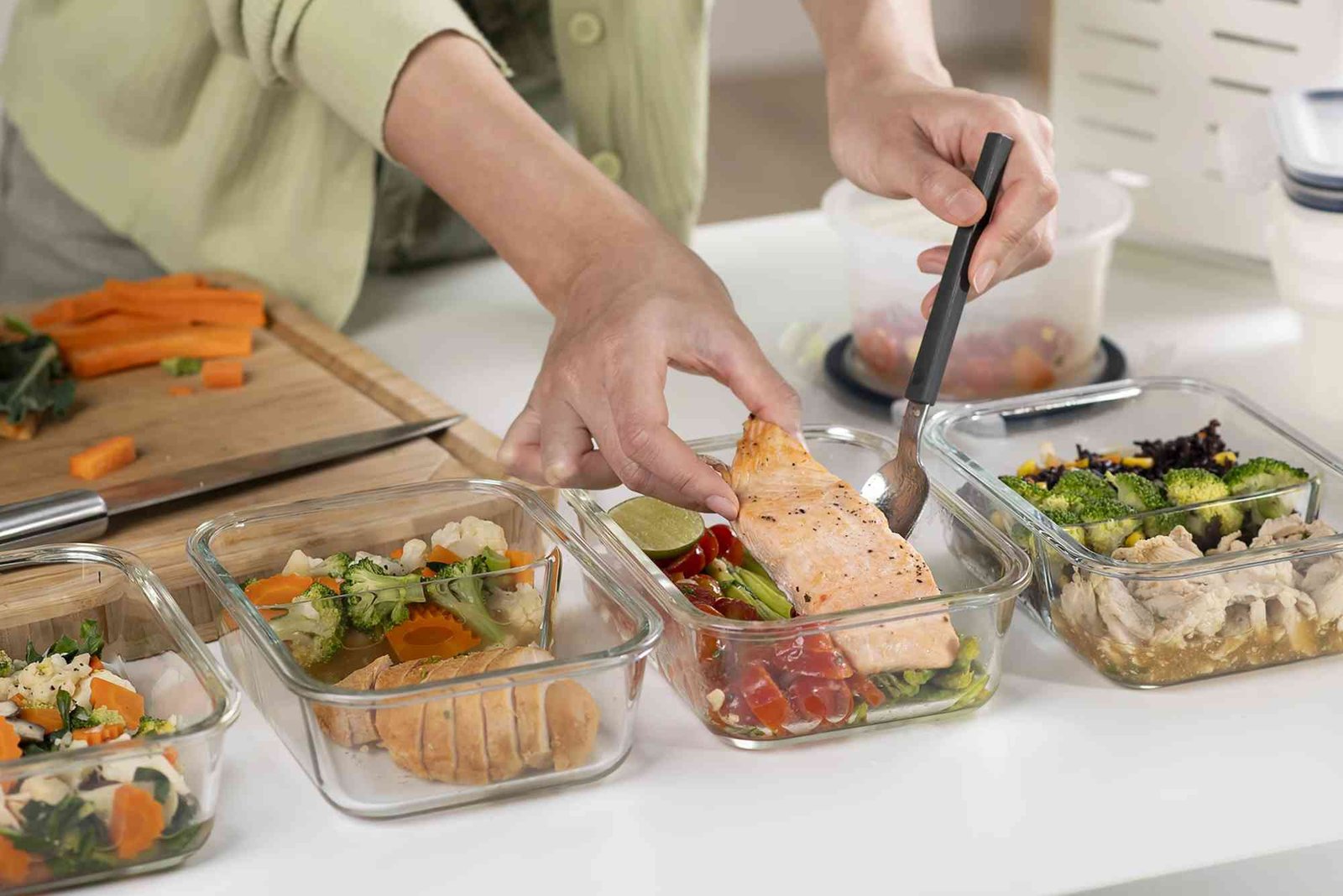
Maintaining a balanced diet while keeping calorie intake in check has become a priority for health-conscious individuals worldwide. With obesity rates rising and lifestyle-related diseases becoming more common, low-calorie food products have surged in popularity. These foods help people manage weight, maintain energy levels, and still enjoy flavorful meals without the guilt. In this article, we explore the top low-calorie food products in demand, their health benefits, and how they fit into modern lifestyles.
Why Low-Calorie Foods Are in High Demand
In recent years, several factors have contributed to the growing demand for low-calorie foods:
- Health Awareness: More people are aware of the link between high-calorie diets and chronic illnesses such as diabetes, heart disease, and obesity.
- Weight Management: Busy lifestyles leave little room for extensive exercise, making low-calorie foods essential for maintaining a healthy weight.
- Convenience Foods: Low-calorie packaged and ready-to-eat options cater to individuals seeking healthy alternatives without compromising on taste.
- Diet Trends: Diets like keto, intermittent fasting, and plant-based eating emphasize foods that are nutrient-rich yet low in calories.
Top Low-Calorie Food Products
Fresh Vegetables
Vegetables are naturally low in calories and high in nutrients, fiber, and antioxidants.
Leafy Greens
Spinach, kale, and romaine lettuce are among the most popular choices. They are excellent for salads, smoothies, and wraps.
Cruciferous Vegetables
Broccoli, cauliflower, and Brussels sprouts are filling while being low in calories, making them ideal for weight-conscious consumers.
Fruits
Although fruits contain natural sugars, they are generally low in calories and provide essential vitamins and minerals.
Berries
Strawberries, blueberries, and raspberries are packed with antioxidants and fiber, helping control appetite.
Citrus Fruits
Oranges, grapefruits, and lemons are refreshing, hydrating, and low in calories, making them a popular choice for snacks.
Whole Grains
Whole grains are more nutritious and lower in calories per serving than refined grains.
Quinoa
Quinoa is a complete protein with all nine essential amino acids, making it a nutrient-dense, low-calorie staple.
Oats
Oats are versatile, slow-digesting, and perfect for breakfast or healthy snacks, providing sustained energy without excess calories.
Lean Proteins
Protein-rich foods help with satiety and muscle maintenance while being relatively low in calories.
Chicken Breast
Skinless chicken breast is high in protein, low in fat, and highly versatile in cooking.
Fish
Salmon, cod, and tilapia are excellent low-calorie options packed with omega-3 fatty acids.
Plant-Based Proteins
Tofu, tempeh, and legumes provide protein without excess calories, ideal for vegetarians and vegans.
Low-Fat Dairy Products
Dairy can be calorie-dense if full-fat options are chosen. Low-fat alternatives are increasingly in demand.
Yogurt
Greek yogurt and low-fat yogurt offer protein, probiotics, and calcium without excessive calories.
Cheese Alternatives
Low-fat or plant-based cheeses satisfy cravings while keeping calorie intake low.
Snack Alternatives
The snack industry has seen a boom in low-calorie products aimed at health-conscious consumers.
Popcorn
Air-popped popcorn is high in fiber and low in calories, making it a satisfying alternative to chips.
Nuts and Seeds
Although calorie-dense in large quantities, small portions of almonds, chia seeds, and pumpkin seeds provide healthy fats and protein in controlled calories.
Protein Bars and Low-Calorie Snacks
Convenience-driven products such as protein bars and low-calorie chips are trending due to their portability and health benefits.
Low-Calorie Beverages
Beverages can significantly impact calorie intake. Consumers are shifting to low-calorie or zero-calorie drinks.
Green Tea
Green tea boosts metabolism, is rich in antioxidants, and contains almost no calories.
Infused Water
Fruits and herbs like cucumber, lemon, and mint add flavor to water without added sugar.
Plant-Based Milks
Almond, oat, and soy milk are lower in calories than whole cow’s milk and provide options for lactose-intolerant individuals.
Benefits of Incorporating Low-Calorie Foods
- Weight Management: Helps reduce total caloric intake while maintaining nutritional value.
- Better Digestive Health: High-fiber low-calorie foods promote regular bowel movements and gut health.
- Reduced Risk of Chronic Diseases: A diet rich in vegetables, fruits, and lean proteins lowers the risk of heart disease, diabetes, and obesity.
- Increased Energy Levels: Low-calorie, nutrient-dense foods provide sustained energy without sugar crashes.
How to Choose the Right Low-Calorie Foods
- Read Nutrition Labels: Pay attention to serving sizes, calorie content, and added sugars.
- Opt for Whole Foods: Fresh produce, lean proteins, and whole grains are naturally low in calories.
- Limit Processed Options: Low-calorie packaged foods may contain hidden sugars or additives.
- Balance Macronutrients: Include proteins, healthy fats, and complex carbs for a balanced diet.
FAQs
What are the best low-calorie foods for weight loss?
Leafy greens, lean proteins, fruits like berries, whole grains like quinoa, and low-fat dairy products are ideal for weight loss.
Can low-calorie foods provide enough energy?
Yes. When balanced with proteins and complex carbs, low-calorie foods provide sustainable energy without excess calories.
Are low-calorie snacks healthy?
They can be if they are minimally processed and nutrient-dense. Snacks like air-popped popcorn, nuts in moderation, and protein bars are healthy choices.
How do I make low-calorie meals more satisfying?
Use herbs, spices, and healthy fats like olive oil or avocado to enhance flavor and satiety without adding many calories.
Low-calorie food products are no longer just a trend—they are essential for a healthy lifestyle. From fresh vegetables and fruits to lean proteins and wholesome snacks, these foods help maintain weight, improve overall health, and boost energy. By making smart choices and incorporating these products into daily meals, anyone can enjoy a nutrient-rich diet without feeling deprived.
How FMCG Brands Use Packaging to Increase Sales – FMCG brands strategically design packaging to grab attention, convey quality, and influence buying decisions. Bright colors, unique shapes, and clear labeling make products stand out on shelves. Smart packaging also communicates brand values, encourages repeat purchases, and can even justify higher prices, boosting overall sales.