
Introduction
In today’s fast-changing real estate market, understanding what buyers want is more important than ever. As we move deeper into 2025, emerging lifestyle trends, technological advances, and evolving work-from-home dynamics continue to shape buyer preferences. Whether you’re selling a home, building new, or simply remodeling, knowing the top home features buyers demand in 2025 can help you make informed decisions that add value and appeal.
From smart technology and sustainability to flexible spaces and wellness features, buyers have clear expectations for modern living. In this article, we’ll explore the trends driving demand and what sellers and builders should prioritize to stand out in 2025.
Why Features Matter More Than Ever
Today’s buyers are more informed, more selective, and more experience‑driven. According to recent market research, people are willing to pay more for homes that deliver convenience, comfort, and future-proof features. With hybrid work, growing environmental awareness, and the rising cost of living, certain home attributes are no longer “nice to have”—they’re essential.
Smart Home Technology: A Top Priority
Smart home integration has moved from novelty to necessity. Buyers in 2025 expect seamless technology that enhances convenience, comfort, and security.
Whole‑Home Automation
Instead of single smart devices, buyers want ecosystems. A connected home that links lighting, heating, security, and appliances offers control from one central app or voice assistant. Buyers appreciate:
- Centralized control systems
- Compatibility with major platforms (e.g., Alexa, Google Home)
- Remote access and automation
Energy Management Systems
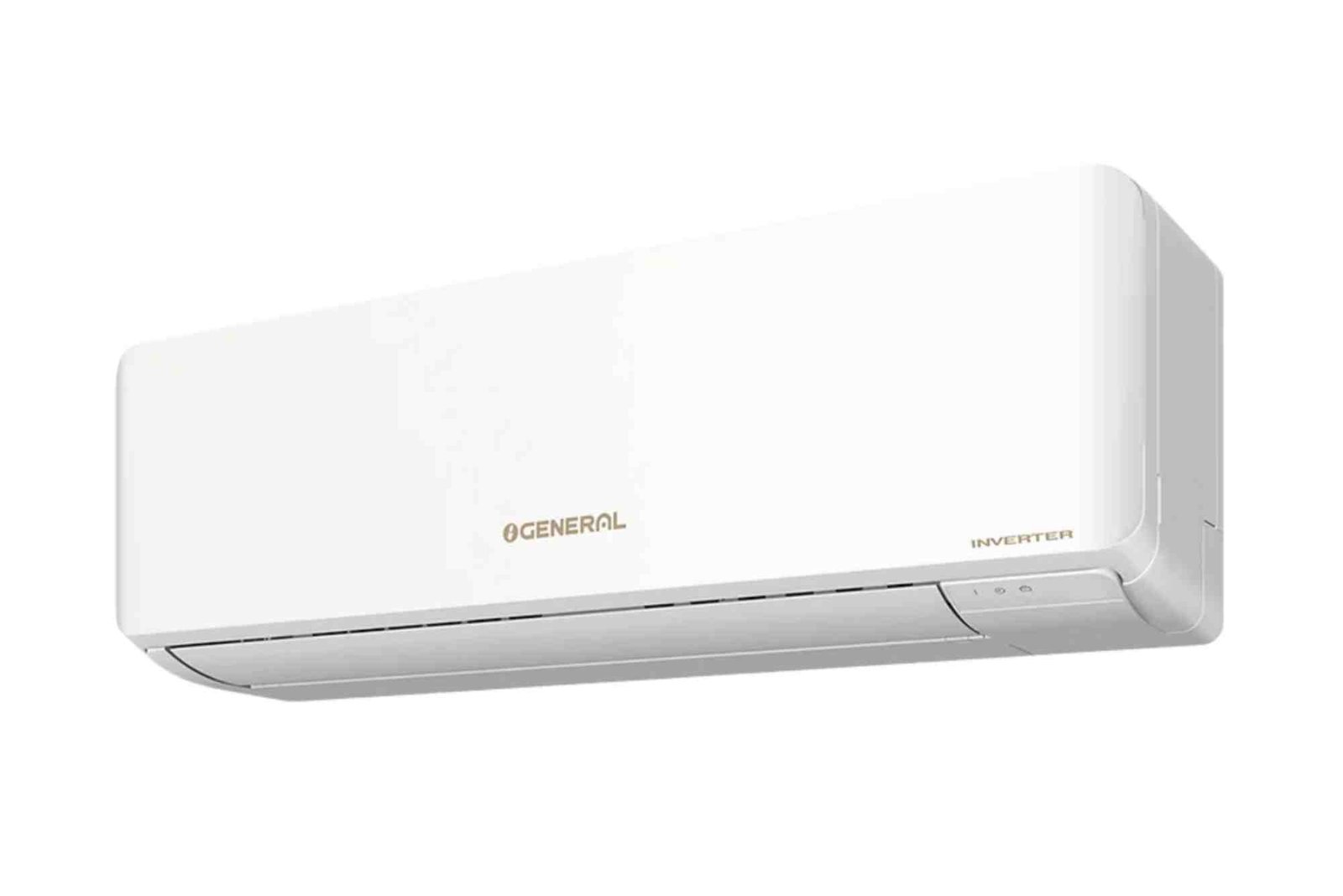
Smart thermostats, automated lighting, and real‑time energy monitoring are features buyers actively search for. These systems deliver cost savings and environmental benefit—two priorities for 2025 buyers.
Advanced Security Technology
Modern security features appeal to buyers concerned about safety and peace of mind. High‑demand items include:
- Smart locks and door cameras
- Motion‑activated outdoor lighting
- Integrated alarm systems with app alerts
Sustainability & Eco‑Friendly Design
Sustainability continues to be a powerful influence in the real estate market. Buyers increasingly prefer homes that reduce environmental impact and lower utility costs.
Energy‑Efficient Windows and Insulation
High‑performance insulation and triple‑pane windows improve comfort and reduce heating/cooling expenses. These features are especially attractive in climates with extreme weather.
Renewable Energy Sources
Solar panels and home‑ready wiring for future solar installations are growing in popularity. Buyers view these as investments that increase property value and reduce long‑term energy costs.
Eco‑Conscious Materials
Homes using low‑VOC paints, recycled materials, and sustainably sourced wood signal environmental responsibility. Buyers often look for materials that contribute to indoor air quality and long‑term durability.
Flexible and Functional Spaces
Flexibility in floorplans has become a defining preference for 2025 buyers. The rise of remote work, online learning, and multigenerational living has made adaptable space a priority.
Dedicated Home Office Areas
According to recent surveys, a designated workspace is one of the most requested features among buyers. These spaces should offer:
- Natural light
- Sound insulation
- Sufficient electrical outlets
- Space for video conferencing setups
Multipurpose Rooms
Buyers want rooms that serve more than one function. Bonus rooms that can transform into guest suites, gyms, or playrooms add significant appeal.
Open‑Plan Kitchens and Living Areas
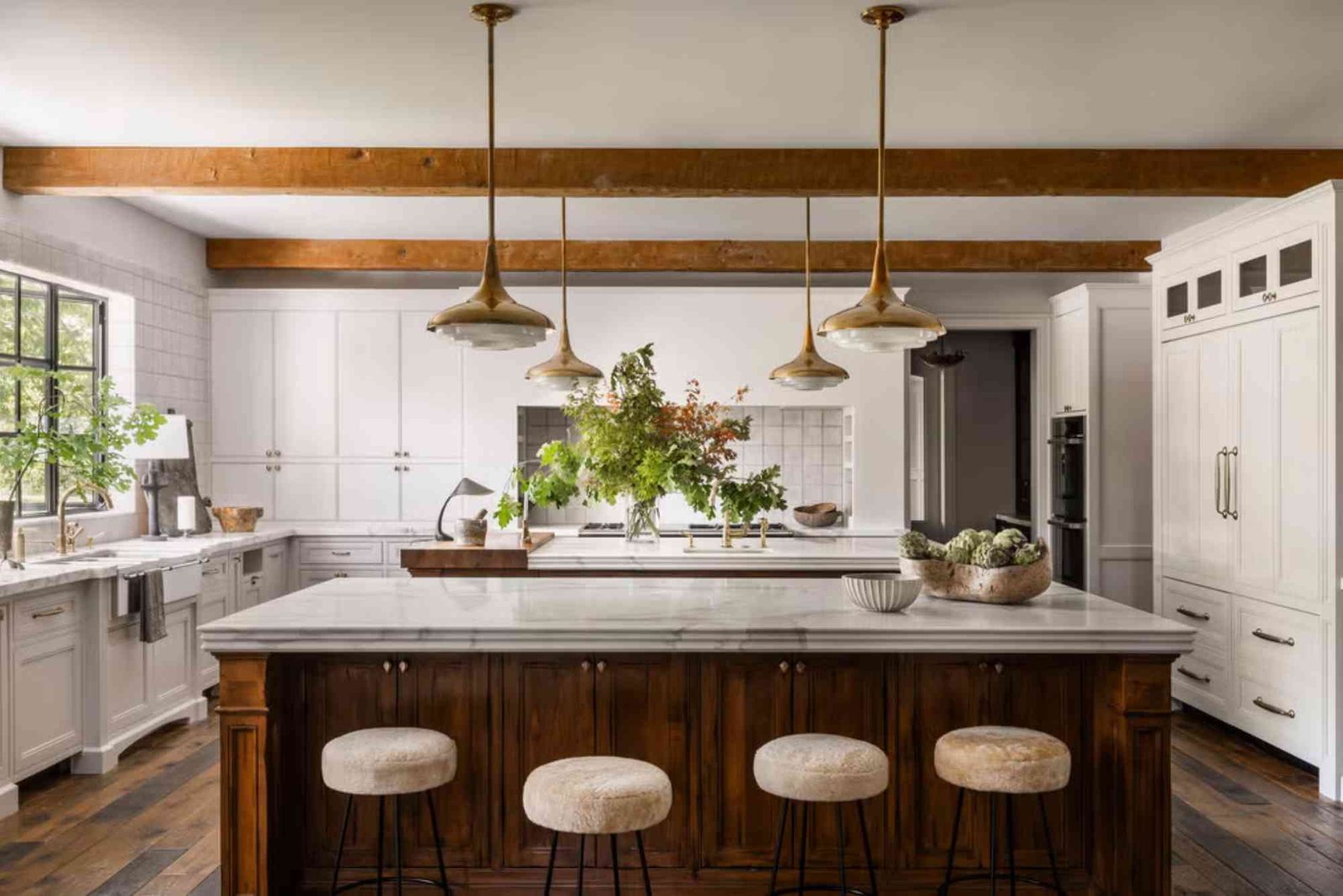
Open layouts continue to dominate buyer preferences, promoting family interaction and flexible use of space. Kitchens that flow into living areas are especially attractive for entertaining.
Wellness‑Focused Design
In 2025, health and well‑being are top of mind for many homebuyers. Wellness‑oriented features provide comfort, relaxation, and a sense of balance.
Natural Light and Ventilation
Large windows, skylights, and well‑placed ventilation create brighter, healthier interiors. They also support mental well‑being and energy efficiency.
Spa‑Style Bathrooms
Bathrooms that offer comfort beyond the basics—like walk‑in showers, soaking tubs, and heated floors—are increasingly desirable. Buyers view these as personal retreats.
Indoor‑Outdoor Living
Seamless transitions between indoor and outdoor spaces are high on buyers’ wish lists. Decks, patios, and outdoor kitchens extend living spaces and support wellness through fresh air and nature immersion.
Kitchen Upgrades That Attract Buyers
The kitchen remains the heart of the home, and in 2025, buyers want both style and function.
Modern Appliances with Smart Features
Energy‑efficient, connected appliances appeal to buyers who value time‑saving technology. Key features include:
- Smart refrigerators with touch screens
- Induction cooktops
- Built‑in air fryers and convection ovens
Durable, Low‑Maintenance Materials
Countertops and flooring that resist wear and are easy to clean are big selling points. Quartz, engineered wood, and luxury vinyl tile frequently top buyer lists.
Plenty of Storage
Walk‑in pantries and organized storage systems help kitchens feel less cluttered and more efficient. Buyers appreciate thoughtful space planning.
Curb Appeal and Exterior Features
First impressions matter. Homes that look well‑kept and visually appealing from the street often sell faster and at higher prices.
Landscaping That Works
Low‑maintenance, drought‑resistant landscaping is trending, especially in regions with water restrictions. Buyers like outdoor spaces that are beautiful without demanding constant care.
Energy‑Saving Exterior Elements
Features such as cool roofing materials, solar screens, and shade structures reduce heat gain and improve energy efficiency. They also appeal to eco‑minded buyers.
Outdoor Living Spaces
Outdoor patios, fire pits, and covered seating areas increase usable square footage and provide year‑round enjoyment. These are key differentiators in competitive markets.
Storage & Organization
Ample storage is always a selling point, and in 2025, buyers expect well‑thought‑out solutions throughout the home.
Built‑In Shelving and Cabinets
Custom storage solutions that maximize space without clutter are highly sought after. Buyers prefer practical built‑ins to stand‑alone furniture.
Garage Organization Systems
Modern garage systems that include shelving, cabinetry, and tool storage boost a home’s appeal. Buyers increasingly value a garage that serves multiple purposes.
Walk‑In Closets
Large, organized closets signal luxury and convenience—especially in primary bedrooms. Walk‑in closets with built‑ins often make a strong impression.
Location‑Driven Amenities
While not technically part of the home itself, nearby amenities heavily influence buyer interest. People want convenience without sacrificing quality of life.
Access to Transit and Services
Buyers, especially younger ones, value close proximity to transit, shops, and restaurants. Walkable neighborhoods with strong community infrastructure are media highlights in real estate research.
Quality School Districts
Homes in reputable school districts continue to command premium prices. For families, good schools often top the list of priorities.
Recreational and Green Spaces
Access to parks, bike trails, and community centers enhances lifestyle appeal. Outdoor recreation options are now a common expectation.
How Sellers Can Capitalize on Buyer Preferences
Sellers and real estate professionals can use these trends to position homes effectively:
- Highlight technology features in listing descriptions
- Stage flexible spaces to showcase potential uses (office, gym, playroom)
- Invest in curb appeal and landscaping
- Prioritize energy upgrades that offer long‑term savings
- Document upgrades and certifications (e.g., energy efficiency ratings)
Understanding what buyers look for helps sellers focus their improvements on features that provide the best return on investment.
As preferences evolve, so do the features that buyers demand. In 2025, success in the housing market depends on delivering modern conveniences, sustainable design, functional spaces, and wellness‑focused solutions.
Whether you’re planning to sell, build, or renovate, prioritizing the top home features buyers demand in 2025 will make your property more competitive and valuable. By aligning your home with buyer expectations—from smart technology to outdoor living—you can attract more interest and close sales faster.
FAQs
What home features are most desirable to buyers in 2025?
Buyers in 2025 prioritize smart home technology, sustainability, flexible spaces (like home offices), energy‑efficient designs, and wellness‑oriented elements such as natural light and outdoor living areas.
Are smart home features important to home buyers?
Yes, smart home features are increasingly important. Buyers look for integrated systems that manage security, climate, and lighting, reflecting convenience, security, and future readiness.
Do energy‑efficient homes sell faster?
Energy‑efficient homes often attract more buyers and can sell faster. They offer lower utility costs and align with environmental values important to many buyers.
Is outdoor space a priority for buyers?
Absolutely. Outdoor living spaces, patios, and well‑designed landscaping are high priorities for buyers, especially post‑pandemic when home boundaries expanded beyond indoors.
What kitchen features do buyers want in 2025?
Buyers want modern, smart appliances, durable materials, plenty of storage, and open layouts that support social interaction and everyday efficiency.
Choosing the right approach is key to success in property investment. How to Choose the Best Real Estate Investment Strategy depends on your goals, risk tolerance, and market knowledge. Whether focusing on rental income, flipping, or long-term appreciation, understanding each strategy helps you maximize returns and minimize risks in today’s competitive real estate market.