
Introduction
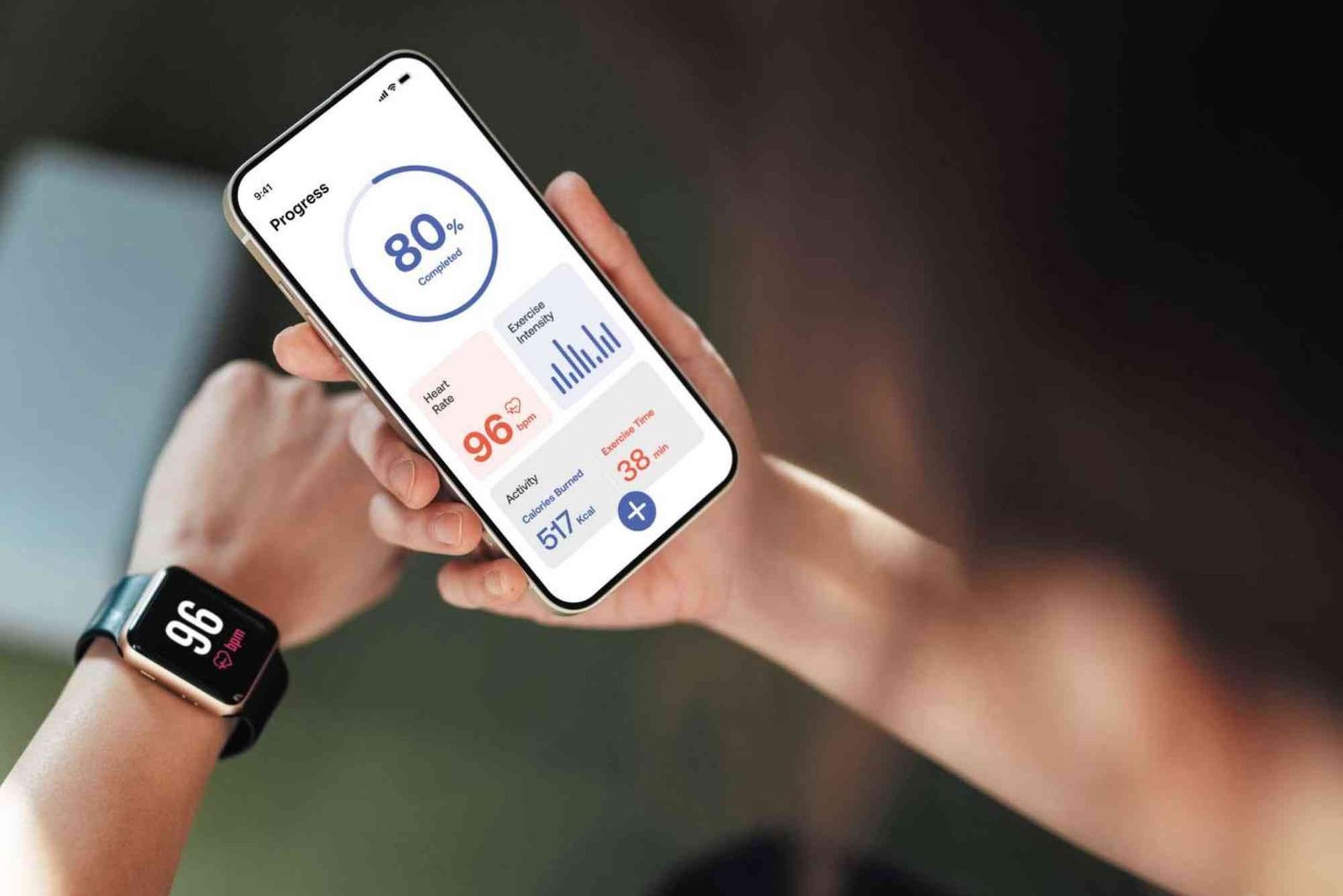
In recent years, wearable technology has evolved far beyond counting steps or monitoring heart rate during workouts. A growing body of devices — from smartwatches to smart rings — is now helping us understand not just our physical health, but our mental wellness too. But how do these devices do it? And can tracking mental wellbeing actually help improve it?
In this article, we’ll explore how wearables are tracking mental wellness, what data they collect, the science behind the metrics, the benefits and limitations, and what the future might hold.
Most of us are familiar with fitness trackers. They cheer us on for hitting daily step goals, remind us to stay active, and even track our sleep. But what about our mental state — our stress levels, moods, anxiety, or overall emotional wellbeing? It may seem less tangible, yet many wearables today claim to help in this area too.
Understanding how wearables are tracking mental wellness is important. This blending of technology with mental health could reshape how we manage stress, prevent burnout, and even identify early signs of disorders like depression and anxiety. In this guide, we’ll break down the methods, science, and real-world impact of mental wellness tracking.
What Can Wearables Track?
Wearables collect different kinds of data. Some of it is directly tied to physical activity, while other signals can suggest changes in mental state.
Physiological Data
Wearables measure physiological signals that correlate with emotional states:
Heart Rate and Heart Rate Variability (HRV)
Heart rate alone tells you how fast your heart is beating. Heart Rate Variability (HRV), however, measures the variation in time between heartbeats. Higher HRV is often linked to flexibility in stress response and better emotional regulation, whereas lower HRV can indicate stress, fatigue, or anxiety.
Skin Conductance / Galvanic Skin Response
Some advanced devices measure how much your skin conducts electricity. Since sweat gland activity increases with stress or nervousness, changes in skin conductance can suggest emotional arousal.
Respiratory Patterns
Breathing rate and depth can also relate to mental state. Rapid, shallow breathing may occur in moments of anxiety, while slow, calm breathing often reflects relaxation.
Sleep Quality
Sleep and mental wellness are deeply connected. Wearables track sleep duration and stages — like light sleep, deep sleep, and REM — to suggest how restorative your rest has been.
How Wearables Translate Data into Mental Wellness Insights
Collecting raw data is one thing. Turning it into meaningful insights about moods and stress levels is another.
Algorithms and Machine Learning
Wearable devices use algorithms — often powered by machine learning — to interpret patterns in physiological data. Instead of isolating one metric, these systems analyze combinations (like HRV + sleep + movement) to estimate stress or wellbeing trends.
For example, if your HRV drops, your sleep quality worsens, and your movement decreases, the wearable might interpret this pattern as a sign of poor mental wellness.
Contextual Tracking
Many wearables combine sensor data with user input. For example, mood-tracking features may prompt users to log how they feel periodically, helping the device correlate subjective emotions with physiological changes.
Benefits of Tracking Mental Wellness with Wearables
Understanding how wearables are tracking mental wellness also means recognizing the real-world advantages they can offer.
Increased Self-Awareness
One of the biggest benefits is that individuals become more aware of their emotional patterns. Seeing how stress fluctuates throughout the day or week can help users make intentional lifestyle changes.
Early Detection of Stress and Burnout
By recognizing prolonged high-stress signatures — like chronically low HRV or disrupted sleep — wearables can alert users before fatigue or burnout sets in.
Support for Mindfulness and Stress Management
Many devices offer guided breathing exercises, relaxation alerts, and stress-reduction prompts based on real-time data. This can help users practice mindfulness exactly when they need it.
Personalized Insights Over Time
Wearables build long-term data profiles. Over weeks and months, trends emerge, allowing users to see how certain habits (like late-night screen time or poor sleep) affect their mental wellness.
Limitations and Challenges
As promising as this technology is, it’s not without limitations.
It’s Not a Medical Diagnosis
Wearable metrics are estimates or indicators, not clinical diagnoses. Devices can suggest stress or mood patterns, but they should not replace professional mental health evaluation.
Accuracy Varies Across Devices
Not all wearables measure data with the same precision. Sensor quality, placement on the body, and calibration can affect readings.
Data Interpretation Is Not Perfect
Algorithms make assumptions — but human emotions are complex and influenced by factors that sensors can’t measure, like social interactions or thoughts.
Privacy and Data Security Concerns
Tracking intimate details of your physical and emotional life raises questions about data storage, access, and security. Users should understand how their data is used and protected.
Real-Life Examples of Wearables Supporting Mental Wellness
Let’s look at some practical ways people use wearables for mental wellness.
Stress Alerts During Work
It’s common to check your watch and see a “High stress detected” notification. This can prompt a moment of awareness: maybe take a short walk or do a breathing exercise.
Sleep Reports Helping Improve Rest
A user notices they feel irritable during periods their wearable marks as “poor sleep quality.” Over time, this encourages healthier sleep habits — like turning off screens earlier or avoiding caffeine late in the day.
Stress Patterns Around Events
A student might notice increased stress leading up to exams. With this insight, they can adjust study breaks, practice relaxation techniques, or even schedule time off for self-care.
The Science Behind the Metrics
Understanding how wearables are tracking mental wellness also means understanding the science.
Heart Rate Variability and the Autonomic Nervous System
HRV reflects the balance between the sympathetic (fight-or-flight) and parasympathetic (rest-and-digest) nervous systems. When facing stress, the sympathetic system dominates, lowering HRV. When calm, HRV increases. Although HRV isn’t a perfect mood meter, it reliably indicates physiological stress response.
Sleep’s Role in Emotional Health
Sleep stages are linked to emotional processing. For example, REM sleep is crucial for emotional regulation. Wearables that detect sleep interruptions can help identify patterns associated with mood disturbances.
Integrating Wearable Data with Lifestyle
Tracking data is only useful if it leads to meaningful change. Here’s how users — and even professionals — can make sense of wearable insights.
Daily Self-Reflection
Some users pair wearable data with journaling. For example: “My HRV was low today, and I felt overwhelmed. I’ll try a 10-minute walk tomorrow before work.”
Professional Use Cases
Mental health professionals may ask clients to share wearable trends to supplement therapy conversations, providing a more holistic understanding of stress and sleep patterns.
Personal Habit Adjustments
Wearables can highlight cause-effect relationships. If poor sleep correlates with stress spikes the next day, a user might prioritize bedtime routines to improve overall wellbeing.
The Future of Wearables and Mental Wellness
Technology continues evolving, and the future looks promising.
More Accurate Sensors
Advancements in sensor technology may allow for even more nuanced data collection — from skin temperature shifts to real-time stress biomarkers.
Improved Algorithms
As machine learning becomes more sophisticated, devices will better interpret complex emotional states, reducing noise and increasing insight accuracy.
Integration with Healthcare Systems
In the future, wearables might sync with healthcare providers to offer early warning signs for conditions like depression or anxiety disorders — with privacy safeguards in place.
Understanding how wearables are tracking mental wellness gives us a window into a future where technology not only helps us stay physically fit but also emotionally resilient. While these tools are not replacements for professional mental healthcare, they provide valuable insights that can support self-awareness, stress management, and healthier habits.
Wearables are paving the way for a new kind of personal health companion — one that listens to the signals our bodies give and helps translate them into actionable insights.
FAQs
How do wearables measure mental health?
Wearables measure indicators like heart rate, heart rate variability (HRV), sleep patterns, and skin conductance. These signals correlate with stress, relaxation, and sleep quality — which are tied to overall mental wellness.
Can a smartwatch really detect stress?
Smartwatches use heart rate data and other physiological signals, like HRV, to estimate when your body might be in a heightened stress state. Although not perfect, these estimates can be useful for awareness and stress management.
Are wearable mental health trackers accurate?
Accuracy varies. While some devices provide reliable trends, they should not be considered clinical tools. They are best used as general indicators rather than medical assessments.
Can tracking mental wellness improve emotional health?
Yes — tracking can increase self-awareness, highlight patterns, and encourage healthier habits. When used thoughtfully, data from wearables can support better stress management and wellbeing practices.
How Technology Is Enhancing Social Media – Technology is transforming social media by making platforms smarter, faster, and more interactive. AI-driven recommendations, augmented reality filters, and real-time analytics allow users to connect, share, and engage like never before, creating personalized experiences that keep communities active and informed.