
Why Home Staging Matters
Before diving into the practical steps, it’s important to understand why home staging is so impactful. Studies show that staged homes often sell faster and at higher prices compared to unstaged properties.
First Impressions Matter
Buyers often make judgments about a property within seconds. A cluttered, outdated, or poorly presented home can instantly reduce interest. Staging ensures your home makes a positive first impression, increasing foot traffic and offers.
Helps Buyers Visualize
Staging helps potential buyers envision themselves living in the space. Neutral colors, strategic furniture placement, and thoughtful décor make it easier for them to imagine personalizing the home.
Maximizes Space and Light
A well-staged home highlights its strengths—natural light, spacious rooms, and functional layouts. Strategic use of mirrors, lighting, and furniture can make spaces feel larger and more welcoming.
Preparing Your Home for Staging
Preparation is the foundation of successful home staging. Before adding décor or furniture, you need to create a clean slate.
Declutter and Depersonalize
Start by removing personal items like family photos, trophies, and keepsakes. Buyers want to picture themselves in your home, not feel like a guest in someone else’s life. Decluttering also makes rooms feel more spacious and organized.
Deep Clean Every Corner
A spotless home signals that it has been well cared for. Clean carpets, polished floors, sparkling windows, and fresh bathrooms make a big difference. Don’t forget less obvious areas like baseboards, light fixtures, and behind appliances.
Make Necessary Repairs
Fix leaky faucets, squeaky doors, chipped paint, or cracked tiles. Small repairs show buyers that the home is maintained and reduce the likelihood of low offers.
Key Home Staging Techniques
Once your home is prepared, it’s time to focus on staging strategies that attract buyers.
Use Neutral Colors
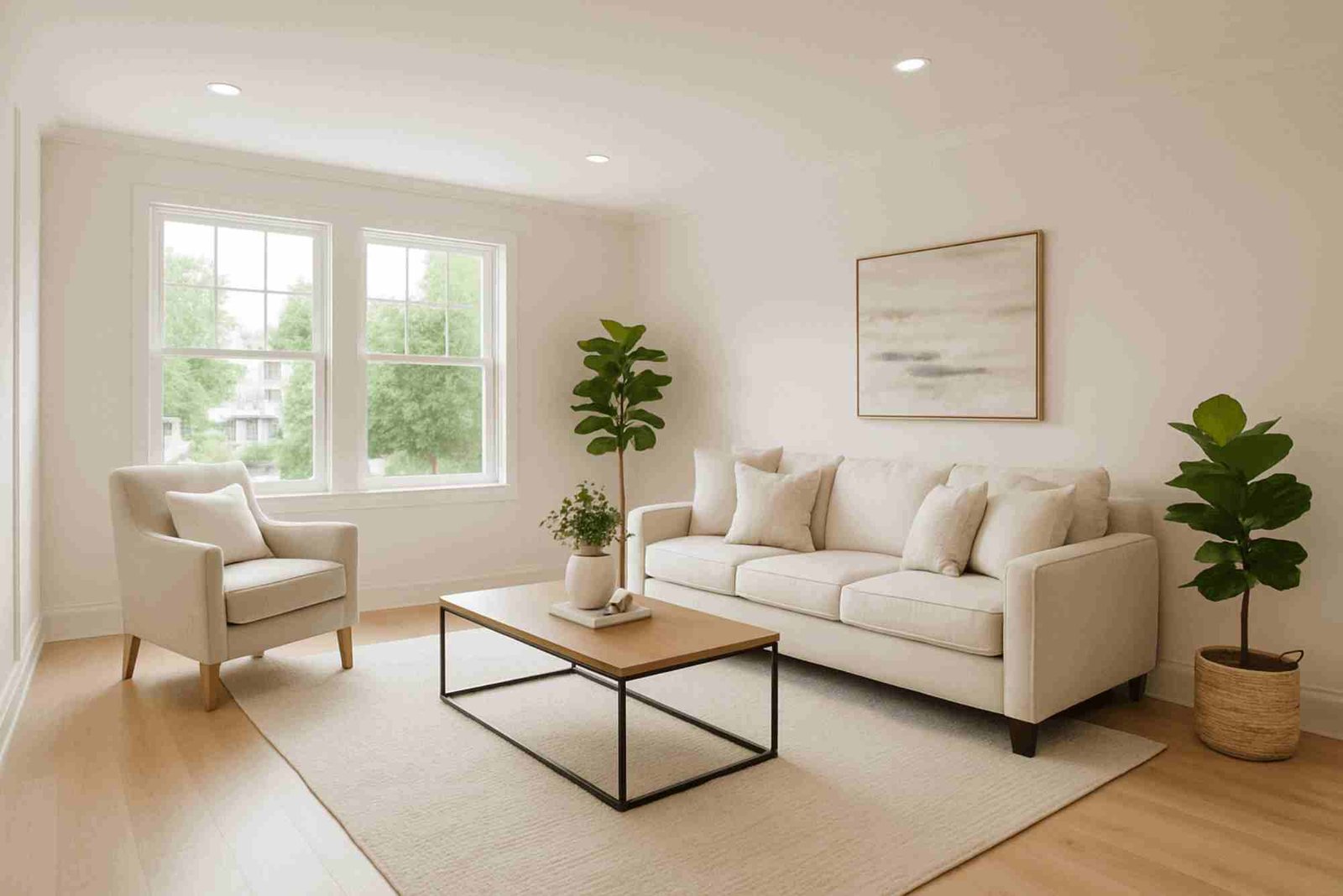
Bold colors can distract buyers. Stick to neutral walls, curtains, and furniture to appeal to the widest audience. Soft grays, beiges, and whites create a blank canvas for buyers to imagine their own style.
Furniture Placement Matters
Arrange furniture to highlight the room’s purpose and create a natural flow. Avoid overcrowding; each piece should have a purpose. Consider removing extra furniture to make rooms feel more open and spacious.
Highlight Key Features
Draw attention to your home’s best features. If you have a fireplace, arrange seating around it. If you have large windows, keep curtains open to showcase natural light.
Add Inviting Décor
Decor can make a space feel lived-in and cozy. Fresh flowers, tasteful artwork, and strategically placed rugs can enhance appeal. Keep décor simple to avoid overwhelming potential buyers.
Pay Attention to Curb Appeal
The exterior sets the tone for what buyers expect inside. Mow the lawn, trim shrubs, paint the front door, and add welcoming touches like a doormat or potted plants. First impressions start before buyers even step inside.
Let There Be Light
Bright spaces feel more inviting. Open curtains, clean windows, and use layered lighting with lamps and overhead fixtures to create a warm ambiance.
Stage Every Room
Don’t neglect secondary spaces like bathrooms, closets, and laundry rooms. Every part of the home should feel clean, organized, and functional.
Tips for Specific Areas
Different rooms require tailored staging techniques.
Living Room
- Use a neutral sofa with pops of color via pillows.
- Arrange seating to encourage conversation.
- Add a coffee table with minimal décor like books or a plant.
Kitchen
- Clear countertops of clutter.
- Display fresh fruit or a bowl of decorative items.
- Ensure appliances shine and cabinets are polished.
Bedrooms
- Make beds with neutral, crisp bedding.
- Keep closets organized and minimal.
- Remove personal items to create a calming space.
Bathrooms
- Add fresh towels and scented candles.
- Clean grout, mirrors, and fixtures.
- Remove personal toiletries to maintain a spa-like feel.
Professional Help vs. DIY Staging
You can choose to stage your home yourself or hire a professional.
DIY Staging
- Cost-effective and flexible.
- Works well if you have a good eye for design.
- May require more time and effort.
Professional Staging
- Offers expert design knowledge and market insight.
- Often leads to faster sales and higher offers.
- Can be more expensive but may pay off in the long run.
Common Home Staging Mistakes to Avoid
Knowing what not to do is as important as knowing what to do.
Overcrowding Rooms
Too much furniture can make rooms feel cramped. Keep it minimal to show the space’s true potential.
Ignoring Smells
Odors from pets, smoke, or cooking can turn buyers away. Use air purifiers, clean carpets, and subtle scents like fresh flowers.
Over-Personalizing
Family photos or unique décor may distract buyers. Keep personal touches minimal to appeal to a broader audience.
Forgetting the Exterior
Curb appeal matters. A messy yard or peeling paint can reduce interest before buyers even enter.
Staging your home is a crucial step in attracting buyers and achieving a successful sale. By decluttering, deep cleaning, highlighting key features, and creating a welcoming atmosphere, you can make your property stand out in a competitive market. Whether you choose to stage yourself or hire a professional, the goal is the same: help buyers visualize themselves living in your home and feel compelled to make an offer.
FAQs
How much does it cost to stage a home?
DIY staging can be minimal in cost, mainly involving cleaning and décor. Professional staging can range from $500 to several thousand dollars depending on the home size and market.
How long does home staging take?
Preparing and staging a home can take anywhere from a few days to a couple of weeks, depending on the home’s size and the extent of staging needed.
Does staging really help sell a home faster?
Yes. Studies show staged homes often sell 20–50% faster and can fetch higher offers compared to unstaged homes.
Should I stage empty homes?
Absolutely. Empty homes often feel cold and uninviting. Adding furniture and décor helps buyers visualize the space and its functionality.
Can I stage a home on a budget?
Yes. Focus on decluttering, deep cleaning, neutral paint, and simple décor. Small, strategic changes can make a big impact without breaking the bank.