
Introduction
Car ownership can be expensive, especially when unexpected repairs come up. From minor fixes to major engine problems, repair bills can add up quickly. Fortunately, with the right strategies, you can reduce car repair costs effectively while keeping your vehicle in top shape. In this article, we’ll explore practical ways to save money, prevent unnecessary repairs, and make smarter choices when it comes to car maintenance.
Understand Your Vehicle’s Maintenance Needs
Follow the Manufacturer’s Maintenance Schedule
Your car’s manual isn’t just paperwork—it’s a roadmap for long-term savings. Following the recommended service intervals for oil changes, fluid checks, tire rotations, and inspections helps prevent expensive repairs down the road. Skipping maintenance often leads to bigger issues, like engine damage or transmission failure, which are far costlier than routine upkeep.
Learn Basic Car Maintenance
Knowing basic maintenance tasks can save you money. Simple skills like checking tire pressure, replacing air filters, topping up fluids, and changing wiper blades yourself can reduce visits to the mechanic. Even learning to identify warning signs early—such as unusual noises or dashboard alerts—can prevent minor issues from turning into major repairs.
Choose the Right Mechanic and Repair Shop
Research Local Repair Shops
Not all repair shops are created equal. Take time to research local mechanics with good reputations. Online reviews, ratings, and personal recommendations can help you find trustworthy professionals who charge fair prices.
Get Multiple Quotes
Always get at least two or three estimates before committing to any repair. Prices can vary widely for the same service. Comparing quotes ensures you’re not overpaying and helps identify potential scams or unnecessary work.
Consider Independent Mechanics
Dealerships may offer convenience but tend to charge higher labor rates. Independent mechanics often provide the same quality service at a lower cost. Ensure the shop is certified and has experience with your car make and model.
Use Quality but Affordable Parts
Don’t Always Buy OEM Parts
Original Equipment Manufacturer (OEM) parts are ideal but often expensive. High-quality aftermarket parts can perform just as well and cost significantly less. Research reputable brands to ensure reliability while reducing expenses.
Explore Used or Refurbished Parts
For non-critical components like alternators, radiators, or body panels, used or refurbished parts from salvage yards can save a lot. Just make sure these parts are inspected for quality and compatibility with your car.
Preventive Maintenance is Key
Regular Oil Changes
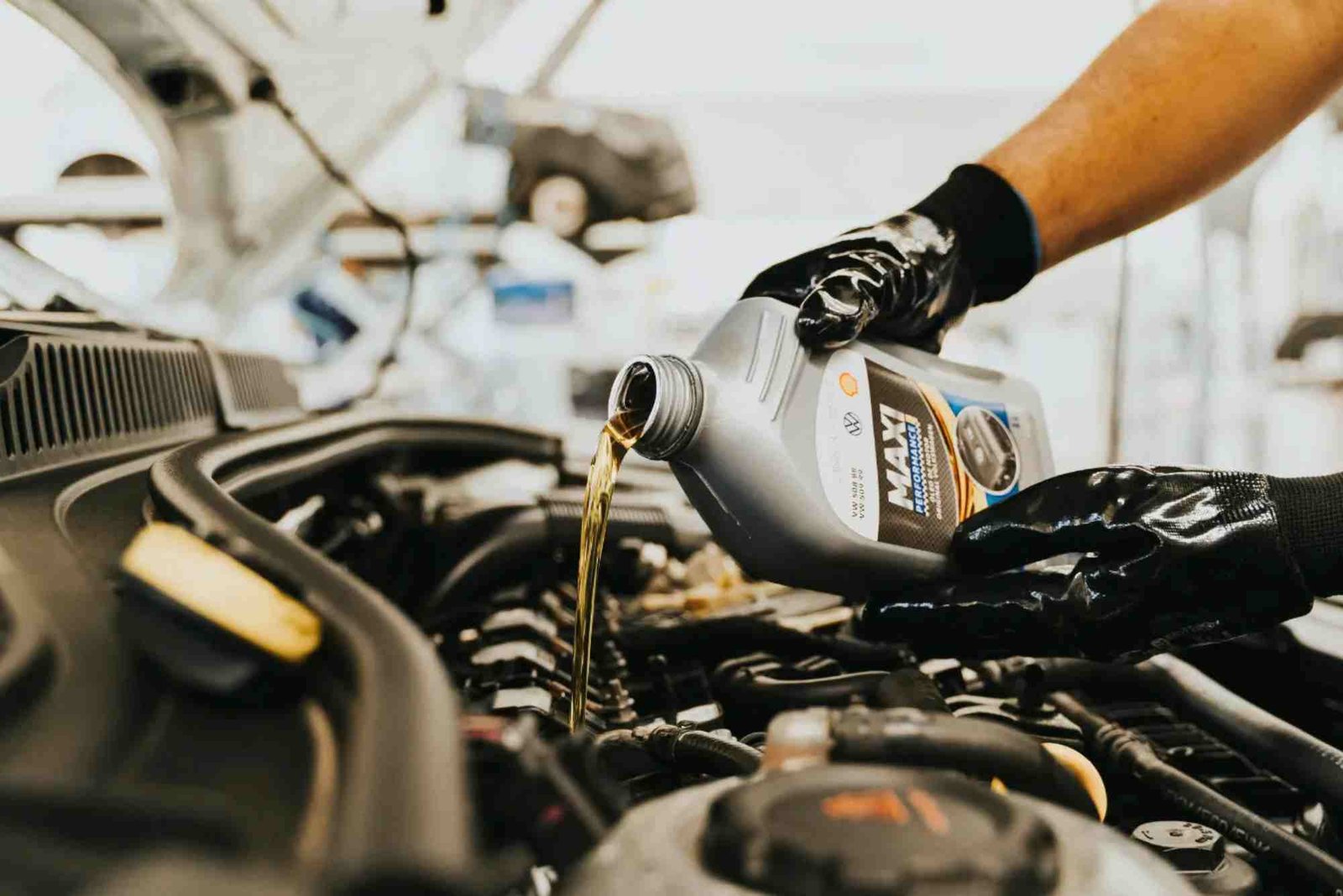
Engine oil lubricates vital components, reducing friction and wear. Skipping oil changes can lead to engine damage, which is costly to repair. Stick to the manufacturer’s recommended oil change schedule to extend engine life.
Tire Care
Proper tire maintenance—including regular rotation, balancing, and alignment—prevents uneven wear and improves fuel efficiency. Worn tires can damage suspension components and increase repair costs.
Brake Maintenance
Brake pads, rotors, and fluid need periodic inspection. Addressing small brake issues early prevents damage to the braking system and ensures your safety, while avoiding expensive repairs.
Adopt Smart Driving Habits
Avoid Aggressive Driving
Rapid acceleration, hard braking, and speeding increase wear on your car’s engine, brakes, and tires. Smooth driving reduces stress on components, extending their life and cutting down on repairs.
Limit Short Trips
Frequent short trips prevent your engine from reaching optimal operating temperature, which can cause build-up and damage over time. Longer drives occasionally help maintain engine health.
Keep Your Car Clean
A clean car isn’t just aesthetic—it prevents rust, corrosion, and damage to exterior components. Regular washing and waxing protect paint and underbody parts, which can reduce long-term repair costs.
Use Warranty and Insurance Strategically
Leverage Manufacturer Warranties
If your vehicle is still under warranty, always check coverage before paying for repairs. Many issues, particularly engine and transmission problems, may be partially or fully covered.
Review Your Insurance Options
Certain repairs may be covered under comprehensive or collision insurance. Understand your policy limits to avoid paying out-of-pocket for covered damages.
Track Your Car’s Repair History
Keeping detailed records of all maintenance and repairs allows you to:
- Spot recurring problems early
- Make informed decisions on future repairs
- Increase resale value by showing well-documented maintenance
A digital log or an app can simplify this process and help you reduce unnecessary costs over time.
DIY When Appropriate
While some repairs should always be handled by professionals, others are simple enough for car owners to do themselves, such as:
- Changing air filters
- Replacing windshield wipers
- Installing headlights or bulbs
DIY repairs save labor costs and can teach you valuable skills for future maintenance.
Plan for Long-Term Savings
Regular Inspections
Scheduled inspections help detect problems early. Catching minor issues before they escalate can save hundreds or thousands of dollars.
Choose a Fuel-Efficient Vehicle
Cars with better fuel economy not only save on gas but often experience less strain on engines and transmissions, reducing repair needs over time.
Budget for Preventive Maintenance
Setting aside a small monthly amount for maintenance helps you stay ahead of unexpected repairs and avoids financial stress when major issues arise.
FAQs
How can I reduce car repair costs without compromising safety?
Focus on preventive maintenance, drive carefully, use quality aftermarket parts, and choose trusted mechanics. Regular inspections and addressing minor issues early are key.
Is it cheaper to use aftermarket parts instead of OEM parts?
Yes, high-quality aftermarket parts often cost less than OEM parts while maintaining similar performance. Ensure the brand is reputable for safety and reliability.
Can DIY repairs really save money?
Yes, for basic tasks like replacing filters, bulbs, or wipers. Avoid DIY on complex systems like brakes or transmissions unless experienced.
How often should I service my car to reduce repair costs?
Follow the manufacturer’s maintenance schedule closely, including oil changes, tire rotations, and inspections. Preventive care saves money long-term.
Does driving style affect repair costs?
Absolutely. Aggressive driving, frequent short trips, and ignoring warning signs increase wear on parts and lead to higher repair bills. Smooth, cautious driving reduces costs.
Reducing car repair costs effectively requires a combination of preventive care, smart shopping for parts, choosing the right mechanic, and adopting good driving habits. By taking a proactive approach, you can extend the life of your vehicle, minimize unexpected expenses, and save money without compromising safety.
Discover a world of insightful articles, guides, and resources at Releft. From lifestyle tips to tech updates, we bring you content that informs and inspires. Explore our home page for the latest posts and stay updated on topics that matter most to you.