
Introduction
Owning a car is more than just driving from point A to point B. A vehicle is an investment, and like any investment, it requires care and attention to perform reliably over the years. Maintaining your car properly not only extends its lifespan but also prevents unexpected breakdowns, keeps your insurance and resale value intact, and ensures your safety on the road. In this article, we’ll dive into practical and actionable steps on how to maintain your car for long-term reliability.
Understanding the Basics of Car Maintenance
Long-term reliability starts with understanding your vehicle’s needs. Every car has a unique set of requirements based on its make, model, age, and usage. However, there are fundamental maintenance practices that apply universally.
Regular Oil Changes
Oil is the lifeblood of your engine. It lubricates moving parts, reduces friction, and prevents overheating. Over time, oil becomes contaminated with dirt, metal particles, and other debris, which can cause engine wear.
Changing your oil at the manufacturer-recommended intervals is crucial. While many modern cars can go 7,500–10,000 miles between oil changes, older models might require more frequent service. Always use the correct grade of oil as specified in your owner’s manual.
Checking Fluids and Filters
Beyond oil, your car relies on several fluids to function properly, including transmission fluid, brake fluid, coolant, and power steering fluid. Neglecting these can lead to severe damage and expensive repairs.
Air filters and cabin filters also play a critical role. A clogged air filter reduces engine efficiency and fuel economy, while a dirty cabin filter can compromise your health by allowing dust and allergens into the interior. Inspect and replace filters as recommended.
Tires and Brakes: Safety and Performance
Tires and brakes are not just about comfort—they are essential for your safety and vehicle longevity.
Tire Care and Rotation
Tires wear unevenly depending on alignment, driving habits, and road conditions. Regularly checking tire pressure ensures optimal fuel efficiency and handling. Rotate your tires every 5,000 to 8,000 miles to promote even wear and extend tire life.
Inspecting tread depth is equally important. Bald tires increase the risk of hydroplaning and accidents. Replace tires before they reach critical wear limits.
Brake Maintenance
Your brakes are your vehicle’s most critical safety feature. Listen for unusual noises like squealing or grinding, which can indicate worn pads or rotors. Regular inspections and timely replacement of brake components prevent accidents and damage to the braking system.
Battery and Electrical System Care
A car’s electrical system powers everything from lights to advanced safety features. Proper maintenance ensures your car starts reliably every time.
Battery Maintenance
Batteries typically last three to five years. Keep terminals clean and free of corrosion to maintain good contact. Extreme temperatures can reduce battery life, so in regions with harsh winters or hot summers, extra care is needed.
Electrical Checks
Modern cars depend heavily on electronics. Malfunctioning sensors, worn wiring, or failing alternators can cause breakdowns or reduce performance. Routine inspections can help catch problems before they escalate.
Exterior and Interior Maintenance
A car’s exterior and interior condition contributes to its resale value and overall longevity.
Washing and Waxing
Regular washing removes dirt, salt, and debris that can corrode the paint and metal. Waxing provides an additional protective layer, reducing damage from UV rays and environmental contaminants.
Interior Care
Keeping the interior clean prevents wear on seats, dashboard, and other surfaces. Use sunshades to reduce UV damage and periodically condition leather surfaces to prevent cracking. Simple maintenance inside the cabin helps maintain comfort and resale value.
Engine and Transmission Health
The engine and transmission are the heart of your vehicle. Proper care here has a massive impact on reliability.
Monitoring Engine Performance
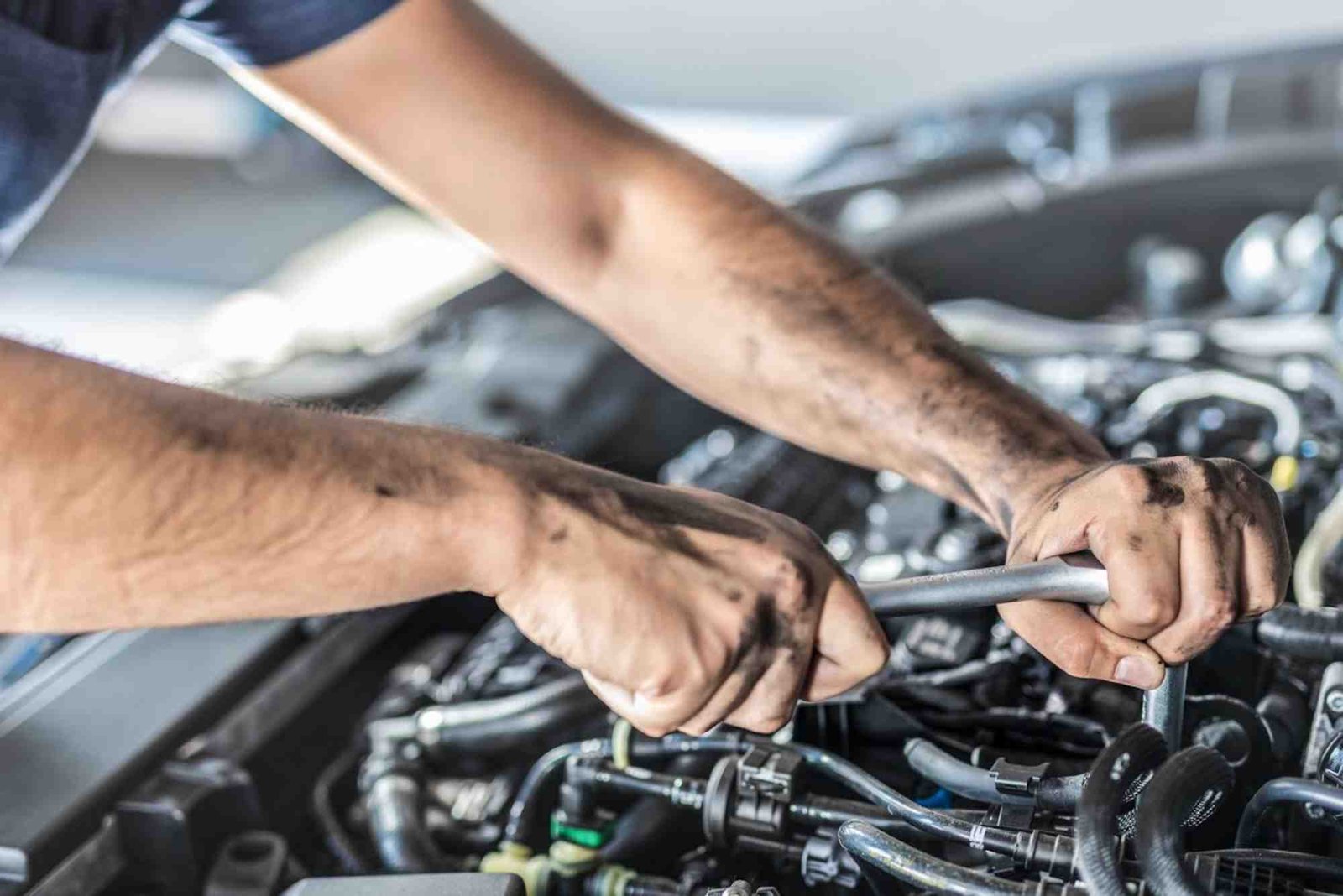
Be attentive to warning lights, unusual noises, or vibrations. Minor issues, if left unchecked, can escalate into expensive repairs. Scheduling routine inspections with a certified mechanic helps maintain optimal engine performance.
Transmission Fluid and Care
Automatic transmissions rely on fluid to lubricate gears and maintain smooth operation. Regularly check transmission fluid levels and color. If it smells burnt or appears dark, replace it immediately. For manual transmissions, keep an eye on the clutch and gear shifting smoothness.
Driving Habits That Boost Reliability
How you drive is as important as how you maintain your car. Aggressive driving, frequent short trips, and ignoring warning signs all reduce long-term reliability.
Gentle Acceleration and Braking
Avoid sudden starts and stops. Gentle acceleration and braking reduce stress on the engine, transmission, brakes, and tires, ultimately extending the lifespan of your car’s components.
Avoid Overloading
Overloading your car stresses the suspension, brakes, and engine. Stick to the manufacturer’s recommended weight limits to prevent damage and maintain handling safety.
Seasonal Maintenance Tips
Different seasons present unique challenges for your car. Preparing for these conditions ensures year-round reliability.
Winter Preparation
Cold temperatures can thicken fluids, reduce battery performance, and affect tire traction. Use winter-grade oil, check antifreeze levels, and consider winter tires in regions with snow and ice.
Summer Preparation
Hot weather can overheat your engine, evaporate fluids, and degrade rubber components. Inspect coolant, belts, hoses, and ensure air conditioning functions efficiently.
Make Maintenance a Habit
Maintaining your car for long-term reliability is not a one-time task—it’s a habit. Regular inspections, timely fluid changes, attentive driving, and seasonal preparation all contribute to a vehicle that performs reliably for years. By investing time and effort into proper maintenance, you save money on repairs, maintain safety, and preserve your car’s value.
Make it a priority to schedule routine check-ups with a trusted mechanic and develop a maintenance checklist for your vehicle. Your car will thank you with years of dependable service.
FAQs
How often should I service my car?
Most cars require servicing every 5,000–10,000 miles depending on the model and type of service. Refer to your owner’s manual for specific intervals.
What are the most important car maintenance tasks?
Oil changes, tire rotation, brake inspections, fluid checks, battery care, and keeping filters clean are essential for long-term reliability.
Can I maintain my car myself?
Yes, basic tasks like checking fluids, tire pressure, and cleaning can be done at home. However, for complex repairs and inspections, professional service is recommended.
How can I extend my car’s lifespan?
Drive gently, avoid overloading, perform regular maintenance, and address issues promptly to ensure long-term reliability.
Does regular washing help car longevity?
Absolutely. Washing removes corrosive dirt, salt, and debris, while waxing protects the paint from UV damage, helping maintain both appearance and resale value.