
Introduction
A dead car battery can strike at the worst possible time, leaving you stranded and stressed. Knowing how to jump-start a car safely is an essential skill for any driver. While modern vehicles are more reliable, battery issues still occur, especially in extreme weather or with older cars. This guide provides a comprehensive, step-by-step approach to jump-starting your vehicle without risking damage to your car or injury to yourself.
Understanding Jump-Starting
Jump-starting a car is the process of using another vehicle’s battery to provide the necessary power to start a car with a dead battery. While it sounds simple, incorrect procedures can cause sparks, battery damage, or even injury. Understanding the components and safety measures involved ensures a smooth and safe jump-start.
Why Car Batteries Die
Car batteries can lose their charge due to several reasons. Leaving headlights or interior lights on, extreme temperatures, worn-out batteries, or faulty alternators can all contribute to a drained battery. Recognizing the cause of the problem helps prevent repeated jump-starts and protects your battery’s lifespan.
Safety Precautions Before Jump-Starting
Safety is crucial when dealing with car batteries. Always wear gloves and safety glasses if possible. Ensure both vehicles are turned off and in park (or neutral for manual transmissions). Never allow the clamps to touch each other during the process, and avoid standing directly over the battery.
Guide to Jump-Starting a Car
Follow these steps carefully to jump-start your car without accidents.
Gather the Right Equipment
You will need a set of jumper cables and a second vehicle with a fully charged battery. Make sure the cables are free of rust or damage, and check that both batteries are 12 volts.
Position the Vehicles Correctly
Park the functioning vehicle close enough to the dead vehicle so that the jumper cables can reach both batteries but avoid the cars touching. Turn off both engines and engage the parking brakes.
Connect the Jumper Cables
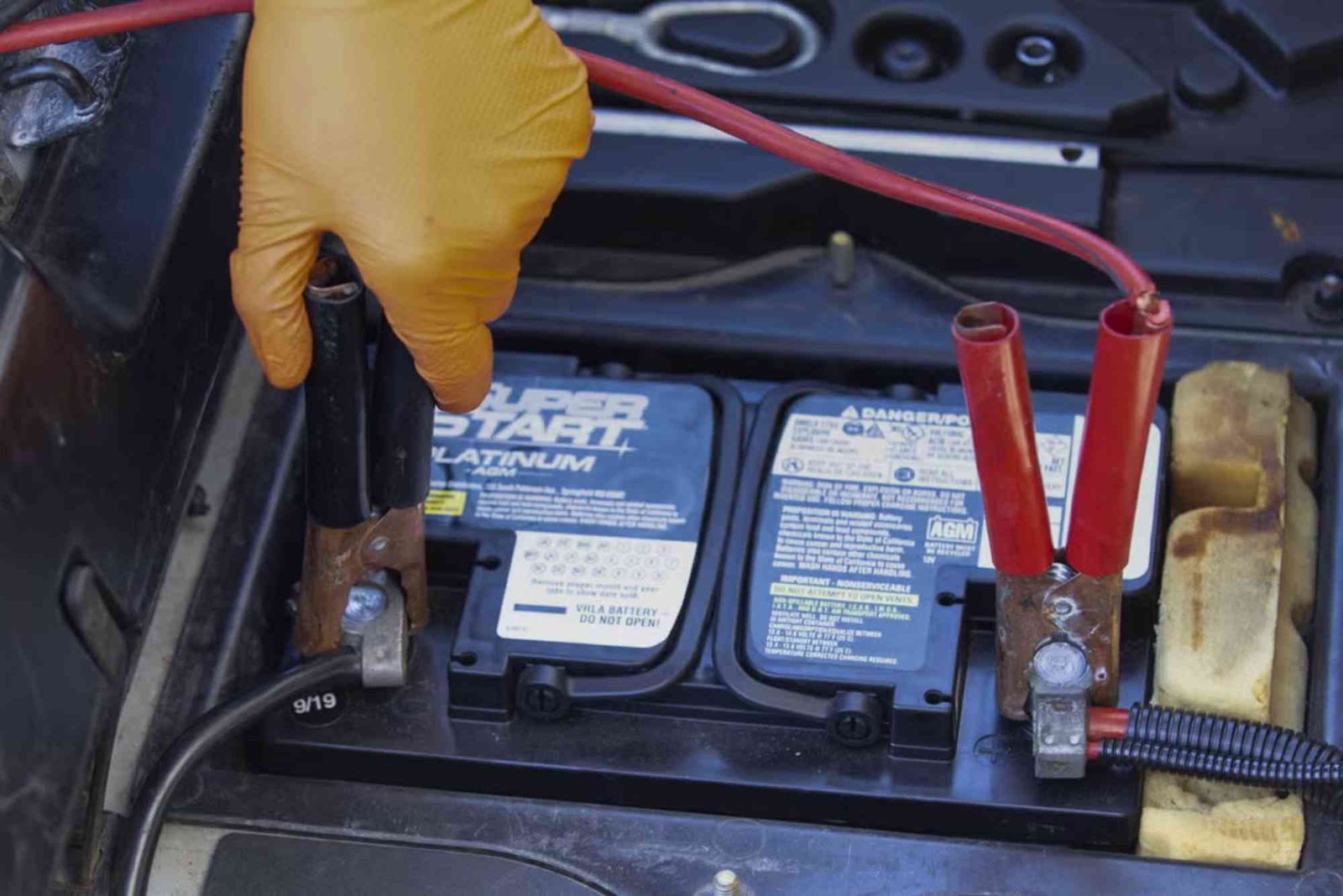
- Red to Dead: Attach one red (positive) clamp to the positive terminal of the dead battery.
- Red to Live: Connect the other red clamp to the positive terminal of the working battery.
- Black to Live: Attach one black (negative) clamp to the negative terminal of the working battery.
- Black to Ground: Connect the remaining black clamp to an unpainted metal surface on the dead car, such as a bolt on the engine block, away from the battery. This minimizes the risk of sparks near the battery.
Start the Engine
Start the car with the working battery and let it run for a few minutes. Then, try starting the dead car. If it doesn’t start immediately, wait a few more minutes while keeping the first engine running.
Remove the Jumper Cables
Once the dead car starts, remove the cables in reverse order:
- Black clamp from the previously dead car
- Black clamp from the working car
- Red clamp from the working car
- Red clamp from the previously dead car
Allow the jump-started vehicle to run for at least 20 minutes to let the alternator charge the battery fully.
Additional Tips for a Safe Jump-Start
Avoid Damaging Electronics
Modern vehicles contain sensitive electronics. Avoid jump-starting a car if the battery is severely damaged or leaking. Using quality jumper cables with sufficient thickness helps prevent voltage spikes that could harm the vehicle’s electrical system.
Consider a Portable Jump Starter
Portable jump starters are a convenient and safer alternative. They eliminate the need for a second car and reduce the risk of incorrect connections. Always read the manufacturer’s instructions before using one.
Know When to Replace Your Battery
Repeated jump-starts indicate an aging or defective battery. Batteries typically last three to five years. If your vehicle frequently fails to start, it’s time to replace the battery rather than relying on temporary solutions.
Common Mistakes to Avoid
Avoid common errors that can lead to accidents or damage:
- Reversing Cable Polarity: Connecting positive to negative can cause sparks and battery explosions.
- Standing Over the Battery: Always keep your face and body away from the battery during the process.
- Skipping Ground Connection: Directly connecting the negative to the dead battery can be dangerous if there’s a spark.
FAQs
How long does a jump-started battery last?
If the battery is healthy, running the engine for 20–30 minutes should provide enough charge. However, a weak battery may need replacement.
Can I jump-start a hybrid car?
Yes, but hybrids require caution due to high-voltage systems. Always consult the owner’s manual before attempting a jump-start.
Is it safe to jump-start a frozen battery?
No, a frozen battery can crack or explode. Allow it to thaw first and inspect for damage.
Can I use another car with a different battery voltage?
No, always use a battery with the same voltage (usually 12 volts) to avoid damaging the vehicle’s electrical system.
What if my car still won’t start after a jump?
The battery may be dead beyond recovery, or there could be issues with the starter or alternator. Seek professional assistance.
Jump-starting a car safely is a vital skill that can save time, stress, and money. By following proper safety precautions, using the right equipment, and understanding your vehicle’s battery, you can get back on the road quickly and confidently. Remember, repeated jump-starts are a sign of a failing battery, and proactive maintenance prevents unexpected breakdowns.