
Introduction
Your vehicle’s transmission is one of its most critical components, responsible for transferring power from the engine to the wheels and allowing you to shift gears smoothly. Unfortunately, transmission problems can develop gradually and silently, often leading to expensive repairs if ignored. Detecting a failing transmission early can save you money, prevent breakdowns, and extend the lifespan of your vehicle. This guide will explain the key signs, causes, and preventive measures to help you identify transmission issues before they become severe.
Understanding Your Transmission
What Is a Transmission?
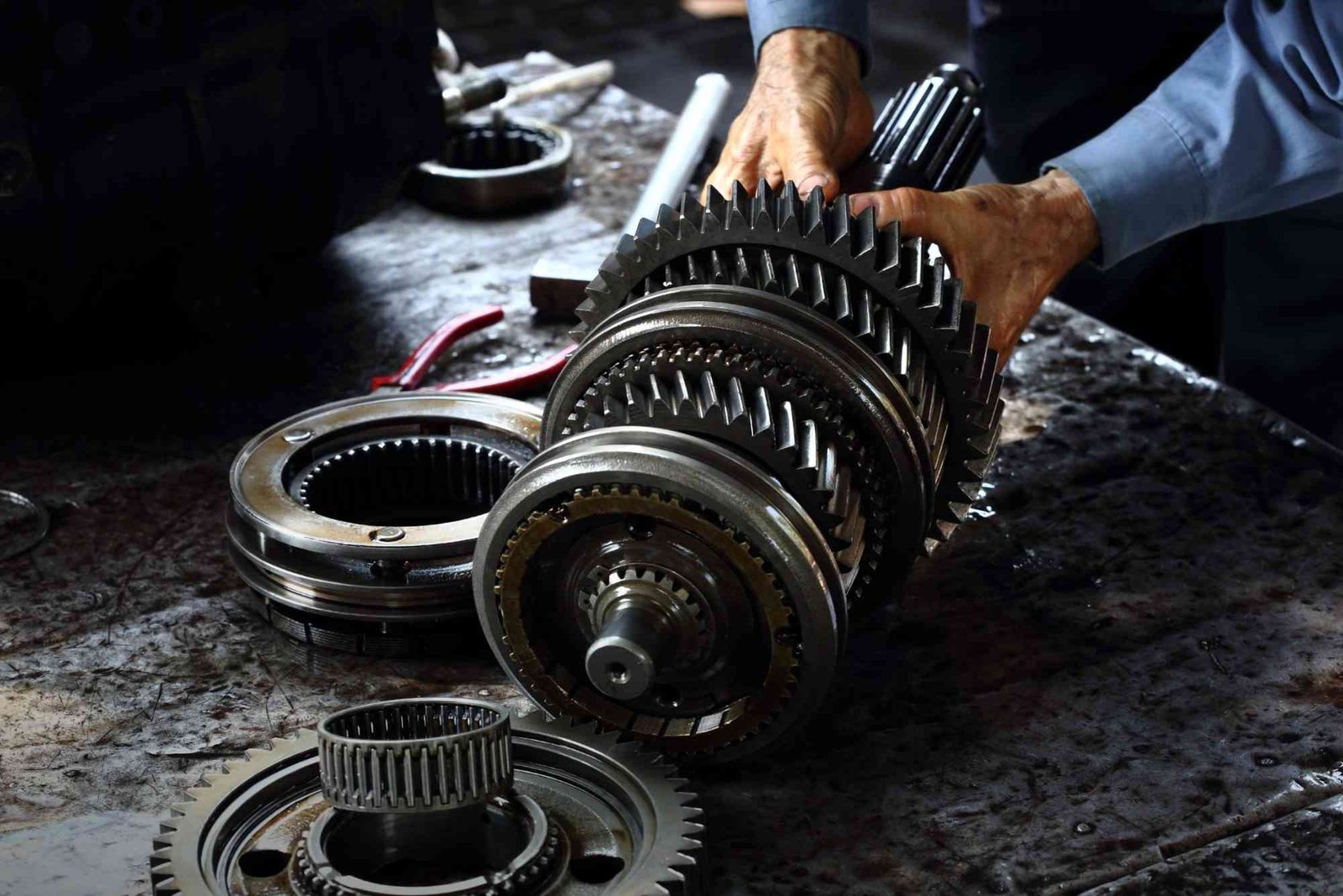
The transmission is a complex system that manages power delivery from your engine to your wheels. It ensures that your car moves efficiently at varying speeds. Vehicles generally have either automatic or manual transmissions, but both types can develop similar issues over time due to wear and tear, poor maintenance, or mechanical failures.
Why Early Detection Matters
Transmission repairs are notoriously expensive, sometimes costing thousands of dollars. By spotting problems early, you can avoid complete transmission failure, maintain safer driving conditions, and reduce repair costs. Early detection also gives you the opportunity to take preventative measures, such as fluid replacement or professional servicing, before serious damage occurs.
Common Signs of a Failing Transmission
Strange Noises
One of the earliest indicators of transmission trouble is unusual noises when the vehicle is in gear.
Grinding or Shaking: In manual transmissions, grinding sounds when shifting gears may indicate worn-out gears or a failing clutch. In automatic transmissions, shaking during gear changes can signal internal damage.
Whining or Humming: High-pitched whining or humming noises, especially when accelerating, could be a sign of low transmission fluid or worn-out bearings.
Slipping Gears
If your car unexpectedly shifts into a different gear or hesitates before engaging, this is known as “slipping gears.” This issue can indicate worn gears, low fluid levels, or a failing torque converter. Slipping gears reduce control over your vehicle and can worsen over time, eventually causing total transmission failure.
Delayed or Rough Shifting
Noticeable delays when shifting from park to drive or rough, jerky shifts while driving can signal transmission problems. These symptoms often arise due to worn internal components or degraded transmission fluid.
Warning Lights
Modern vehicles are equipped with dashboard warning lights that can indicate transmission issues. The check engine light or a specific transmission warning light should never be ignored. While it doesn’t always mean immediate failure, it indicates that your vehicle’s system has detected a problem that requires attention.
Fluid Leaks
Transmission fluid is typically red or pink and has a sweet, distinct smell. Leaking fluid can be caused by worn seals, gaskets, or cracks in the transmission pan. Low fluid levels not only prevent the transmission from functioning properly but also accelerate wear and overheating.
Burning Smell
A burning smell coming from your car, particularly a scent similar to burning oil, may indicate overheated transmission fluid. Overheating can damage internal components and is often a sign of serious issues if left unresolved.
Causes of Transmission Failure
Lack of Maintenance
Neglecting regular transmission maintenance, such as fluid changes and filter replacements, is a leading cause of failure. Transmission fluid lubricates and cools the system, so degraded or dirty fluid can cause overheating and wear.
Aggressive Driving
Frequent rapid acceleration, hard braking, or towing heavy loads can stress your transmission. Over time, this can result in damaged gears, clutches, or torque converters.
Fluid Problems
Incorrect fluid levels, wrong type of fluid, or contaminated fluid can cause slipping, overheating, and other transmission issues. Always use the fluid type recommended by your vehicle manufacturer.
Mechanical Wear
Like any mechanical system, transmissions experience wear over time. Components such as gears, bearings, and seals can deteriorate, leading to leaks, slipping, or total failure.
Preventive Measures
Regular Fluid Checks
Checking your transmission fluid level and condition regularly is one of the simplest ways to prevent serious problems. Low or dirty fluid should be replaced immediately.
Timely Maintenance
Follow your vehicle manufacturer’s recommended maintenance schedule for transmission servicing. This includes fluid changes, filter replacements, and inspections for leaks or worn components.
Smooth Driving Habits
Avoid aggressive driving and rapid gear changes. If you tow or carry heavy loads, make sure your vehicle is equipped for the extra strain and allow the transmission to cool periodically.
Professional Inspections
If you notice any early signs of transmission issues, have your vehicle inspected by a qualified mechanic. Professional diagnostics can identify problems before they escalate into costly repairs.
Detecting a failing transmission early is crucial for protecting your vehicle, saving money, and ensuring safe driving. Paying attention to signs like strange noises, slipping gears, warning lights, or fluid leaks can help you catch issues before they become catastrophic. Regular maintenance, smooth driving habits, and professional inspections are key to prolonging your transmission’s life. Don’t wait until a small problem becomes a major repair—act early and keep your car running smoothly.
FAQs
How long does a car transmission last?
Most transmissions last between 100,000 and 200,000 miles, depending on maintenance, driving habits, and vehicle type. Regular servicing can extend this lifespan.
Can low transmission fluid cause serious damage?
Yes, low or dirty fluid can lead to overheating, slipping, and eventual failure of the transmission. Regular fluid checks are essential.
Is it safe to drive with a slipping transmission?
Driving with a slipping transmission is risky. It can reduce control, worsen internal damage, and eventually lead to complete failure.
What does a failing transmission smell like?
A failing transmission often produces a burning smell, similar to burning oil, caused by overheated or degraded transmission fluid.
Can I fix a transmission myself?
Minor issues like fluid changes or leaks can sometimes be addressed by experienced DIYers, but most transmission problems require professional diagnosis and repair due to their complexity.