
Introduction
In recent years, the way we pay for goods and services has undergone a profound transformation. Digital payments, ranging from mobile wallets to online banking and contactless cards, are no longer just a convenience—they are reshaping economies at every level. From small businesses to global corporations, the adoption of digital transactions is altering how money flows, how consumers behave, and how governments and financial institutions operate.
The Rise of Digital Payments
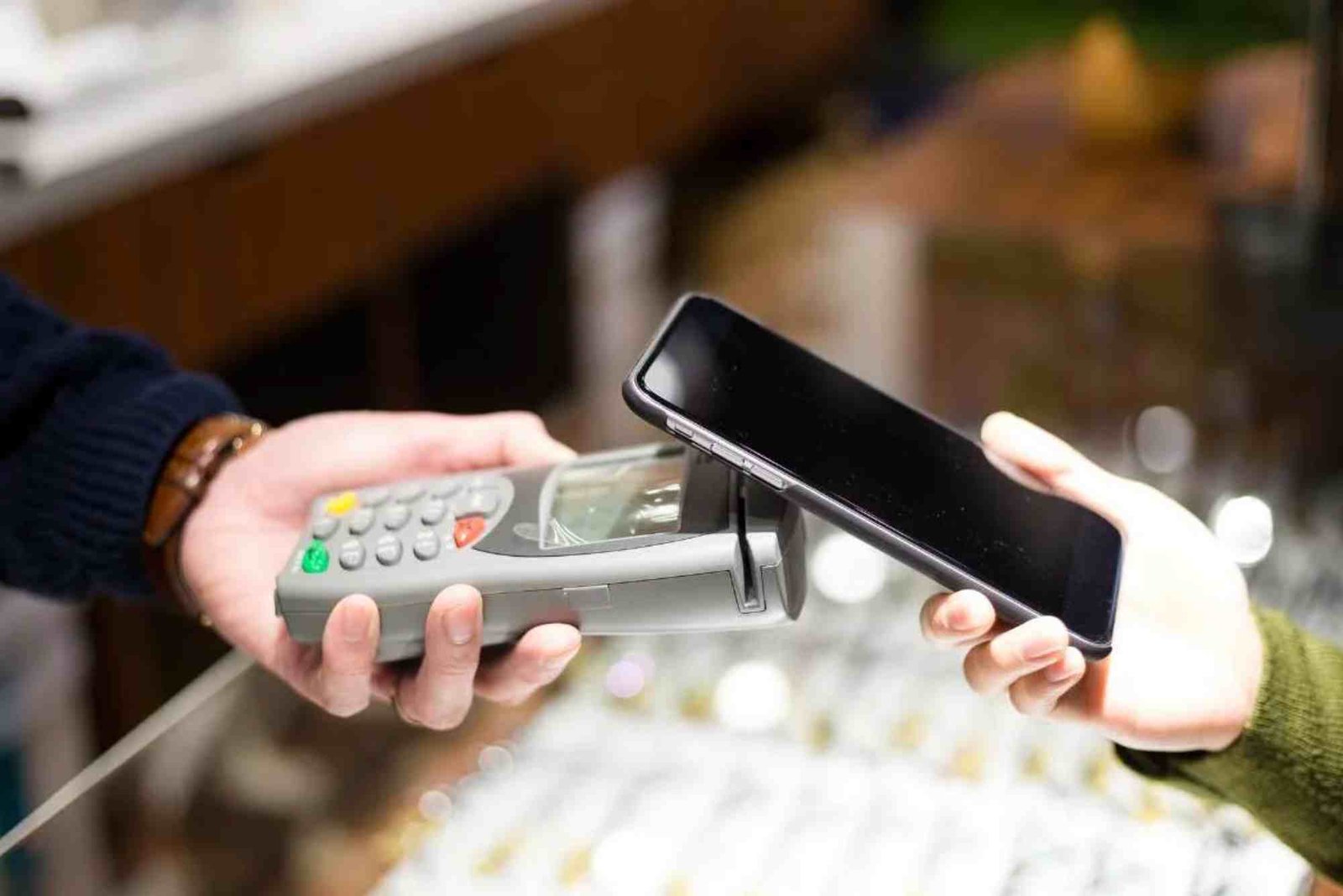
The adoption of digital payments has skyrocketed, driven by technological advances and changing consumer preferences. Smartphones, internet accessibility, and secure payment gateways have made it easier than ever for individuals and businesses to engage in cashless transactions. Mobile payment apps like Apple Pay, Google Pay, and local fintech solutions are gaining traction worldwide, while e-commerce platforms have integrated seamless digital payment options, reducing friction in online shopping.
Increased Accessibility
Digital payments have made financial services more accessible to populations previously excluded from traditional banking. In developing countries, mobile wallets provide a gateway to financial inclusion, allowing people to save, send, and receive money without needing a physical bank account. This accessibility fosters economic participation and empowers individuals to contribute to the formal economy.
Convenience and Efficiency
One of the biggest drivers of digital payments is convenience. Transactions that once required cash handling or checks can now be completed in seconds through apps or online platforms. Businesses save time and reduce operational costs by automating payment processing, while consumers benefit from faster checkouts and simplified record-keeping.
How Digital Payments Impact the Economy
The widespread adoption of digital payments is having far-reaching effects on the global economy. By reducing reliance on cash, increasing transparency, and enabling faster transactions, digital payments are fundamentally changing how money circulates.
Boosting Consumer Spending
Digital payments encourage higher consumer spending by simplifying the purchasing process. When payments are easy, people are more likely to buy, whether online or in-store. Subscription services, e-commerce platforms, and even local businesses benefit from this trend, leading to increased economic activity.
Supporting Small Businesses
For small and medium-sized enterprises (SMEs), digital payments are transformative. They allow businesses to accept a wider variety of payment methods, expand customer reach, and maintain better financial records. Additionally, the data generated from digital transactions helps businesses understand customer behavior, optimize inventory, and implement targeted marketing strategies.
Reducing the Informal Economy
Cash transactions often fuel informal economic activity, which can be difficult to track and tax. Digital payments leave an electronic trail, increasing transparency and making it easier for governments to monitor transactions. This, in turn, enhances tax compliance, reduces corruption, and strengthens public finances.
Facilitating Global Trade
Digital payments are also accelerating global trade. Businesses can easily send and receive payments internationally without the delays and costs associated with traditional banking. Fintech solutions provide currency conversion, cross-border transaction processing, and fraud protection, making it easier for small businesses to enter international markets.
Driving Financial Innovation
The shift toward digital payments has spurred financial innovation. Blockchain, cryptocurrencies, and decentralized finance (DeFi) solutions are emerging as alternative methods for secure, fast, and transparent transactions. These technologies have the potential to further disrupt traditional banking and create entirely new economic models.
Challenges and Considerations
While digital payments offer numerous benefits, they also present challenges that need careful consideration. Security remains a top concern, as cyber threats and data breaches can undermine trust in digital systems. Additionally, not all populations have equal access to technology, creating a digital divide that can exacerbate inequalities.
Cybersecurity and Fraud
As digital transactions grow, so does the risk of cybercrime. Strong encryption, multi-factor authentication, and regulatory oversight are essential to protect consumers and businesses from fraud. Financial institutions must continually invest in security infrastructure to maintain confidence in the system.
Financial Inclusion Gap
Although digital payments improve accessibility, people without smartphones, internet access, or digital literacy may be left behind. Policymakers and fintech companies must work together to ensure that digital payment solutions are inclusive and equitable.
The Future of Digital Payments
The future points toward an even more digital economy. Innovations such as biometric authentication, AI-driven fraud detection, and real-time payments will continue to enhance security, efficiency, and convenience. Governments may also explore central bank digital currencies (CBDCs) to create secure, government-backed digital money, further transforming monetary systems.
As more people and businesses adopt digital payments, the global economy will experience increased efficiency, transparency, and connectivity. The trend is not just technological—it is a fundamental shift in how value is exchanged.
Digital payments are more than a trend—they are a force reshaping the economy. From boosting consumer spending to supporting small businesses and enhancing financial inclusion, the shift toward cashless transactions has wide-ranging implications. However, to fully realize the benefits, it is crucial to address challenges such as security risks and the digital divide.
For businesses, consumers, and policymakers, embracing digital payments is no longer optional—it is a key driver of growth and innovation. Whether you are a business owner looking to expand your payment options or an individual seeking faster, safer transactions, now is the time to adopt and adapt to this digital revolution.
FAQs
How do digital payments impact small businesses?
Digital payments allow small businesses to accept multiple payment methods, expand their customer base, and track transactions easily. They also provide insights into customer behavior and streamline operations.
Are digital payments secure?
Yes, most digital payment platforms use encryption, tokenization, and multi-factor authentication to ensure secure transactions. However, users must follow best practices to protect their accounts.
Can digital payments help reduce cash dependency in the economy?
Absolutely. Digital payments reduce reliance on cash, increase transparency, and help formalize the economy by providing electronic records of transactions.
Do digital payments improve financial inclusion?
Yes. Digital wallets and mobile banking solutions allow people without traditional bank accounts to participate in the financial system, promoting inclusion and economic empowerment.
What is the future of digital payments?
The future includes real-time transactions, biometric authentication, AI-driven security, and potentially government-backed digital currencies, making payments faster, safer, and more transparent.