
Introduction
Sustainability in the fast-moving consumer goods (FMCG) sector is no longer just a trend — it’s becoming a business imperative. Consumers are increasingly demanding brands that prioritize environmental responsibility, ethical sourcing, and social impact. From biodegradable packaging to carbon-neutral operations, sustainable FMCG brands are reshaping the way we shop and consume. In this article, we explore the top sustainable FMCG brands to watch, highlighting their innovative practices and commitment to a greener future.
Why Sustainability Matters in FMCG
FMCG brands produce everyday products — food, beverages, personal care, and household goods. Due to the sheer volume and reach of these products, sustainability practices in this sector can have a significant impact on the environment.
Environmental Responsibility
Sustainable FMCG brands focus on reducing their environmental footprint through initiatives such as:
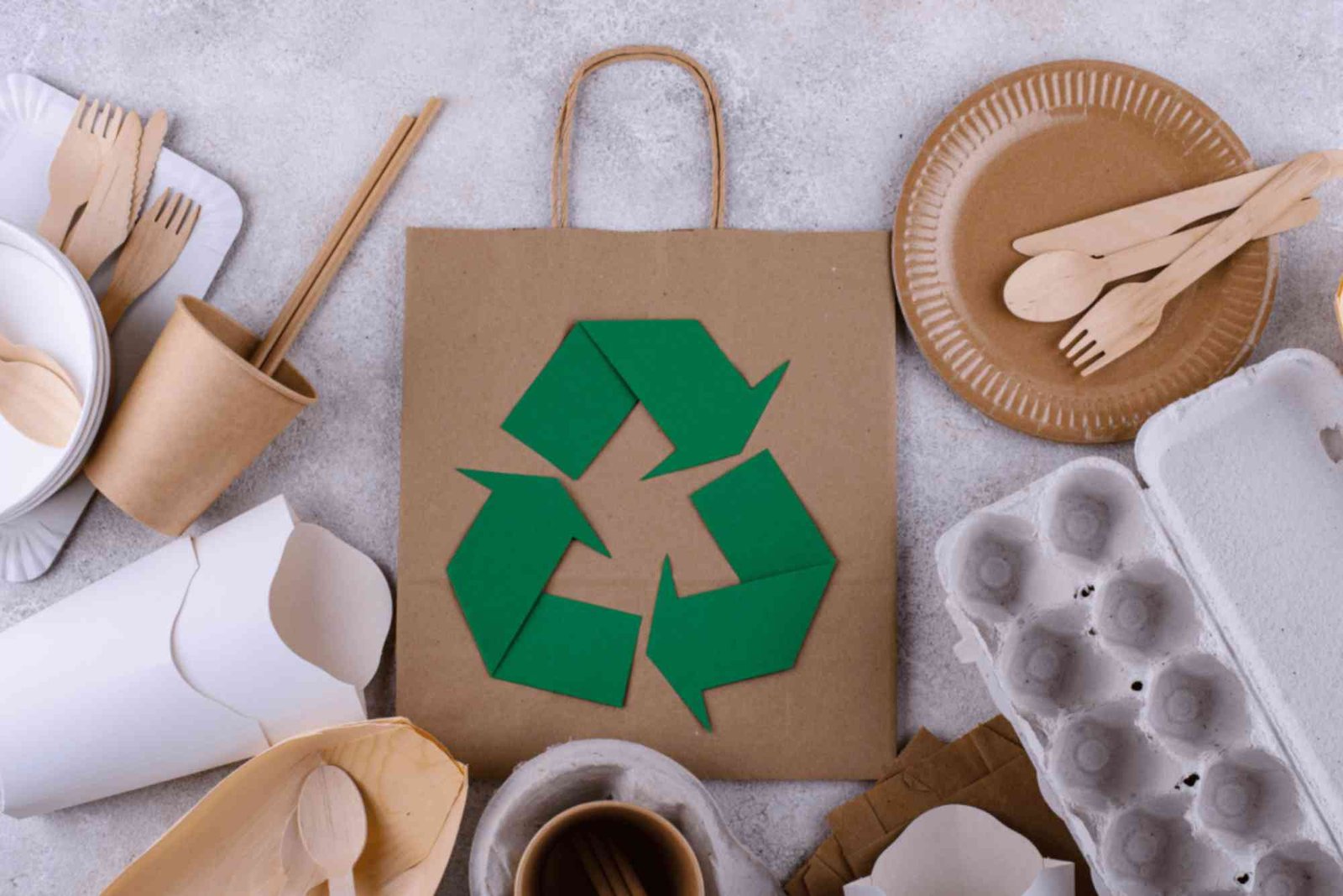
- Eco-friendly packaging: Switching from single-use plastics to biodegradable or recyclable materials.
- Energy-efficient manufacturing: Using renewable energy sources and reducing greenhouse gas emissions.
- Waste management: Implementing zero-waste production or recycling programs.
Social Impact and Ethical Sourcing
Sustainability also includes social responsibility. Leading brands ensure fair labor practices, community engagement, and sourcing materials ethically. This builds trust with consumers and strengthens brand reputation.
Top Sustainable FMCG Brands Leading the Way
Here’s a closer look at some of the brands that are setting new standards for sustainability in the FMCG sector.
Unilever – Pioneering Global Sustainability
Unilever has long been recognized for its sustainability commitments, making it a benchmark in the FMCG industry.

Key Initiatives:
- Sustainable Living Plan: Aims to halve the environmental footprint of products while improving health and wellbeing.
- Plastic Reduction: Commitment to making all plastic packaging recyclable, reusable, or compostable by 2025.
- Ethical Sourcing: Ensures that 100% of agricultural raw materials are sustainably sourced.
Procter & Gamble (P&G) – Driving Innovation in Green Products
P&G has made sustainability a central component of its product strategy.
Key Initiatives:
- Climate Action: Achieved 100% renewable electricity in global operations.
- Recyclable Packaging: Products like Head & Shoulders and Tide now feature recyclable or reduced-plastic packaging.
- Water Stewardship: Implementing water-efficient processes in manufacturing to reduce water usage.
Nestlé – Focus on Sustainable Food and Beverage
Nestlé has embraced sustainability not only in packaging but also in responsible sourcing of ingredients.
Key Initiatives:
- Net Zero by 2050: Plans to achieve net-zero greenhouse gas emissions across operations.
- Responsible Sourcing: Programs for cocoa, coffee, and palm oil ensure ethical and sustainable practices.
- Plastic Reduction: Increasing the use of recyclable and reusable packaging materials globally.
The Body Shop – A Pioneer in Ethical Beauty
The Body Shop has been a leader in ethical and sustainable practices within the personal care industry.
Key Initiatives:
- Cruelty-Free Products: Ensuring no animal testing across all products.
- Community Trade Program: Supports fair trade and empowers local communities.
- Refill Stations: Offering refill options to reduce single-use packaging waste.
Seventh Generation – Eco-Friendly Household Solutions
Seventh Generation is widely regarded as a sustainable FMCG brand in household cleaning and personal care.
Key Initiatives:
- Plant-Based Formulations: Products are made using renewable plant ingredients.
- Carbon Neutral: Achieved carbon neutrality across manufacturing and operations.
- Recyclable Packaging: Committed to 100% recycled or recyclable packaging materials.
Patagonia (FMCG Crossover) – Environmental Activism Meets FMCG
While primarily known for apparel, Patagonia has extended its sustainable practices into FMCG-like products such as personal care items and food collaborations.
Key Initiatives:
- Environmental Campaigns: Actively invests in conservation and climate action projects.
- Sustainable Ingredients: Uses organic, fair-trade, and biodegradable ingredients in their products.
- Circular Economy: Encourages product recycling and reuse through its Worn Wear program.
How These Brands Inspire the FMCG Sector
These brands are not just selling products; they are influencing industry standards:
- Consumer Education: By highlighting sustainability, these brands educate consumers about responsible consumption.
- Innovation Push: They encourage competitors to adopt eco-friendly packaging, carbon-neutral processes, and ethical sourcing.
- Long-Term Viability: Sustainable practices contribute to operational efficiency, reduced resource dependency, and brand loyalty.
Future Trends in Sustainable FMCG
Looking ahead, several trends are expected to dominate the sustainable FMCG landscape:
Biodegradable and Compostable Packaging
The move away from plastics will accelerate, with brands adopting fully compostable packaging materials.
Plant-Based and Alternative Ingredients
Food and beverage brands are increasingly turning to plant-based alternatives to reduce the environmental impact of animal farming.
Digital Transparency
Consumers are demanding more transparency. Blockchain and QR codes may allow shoppers to trace the sustainability journey of a product from source to shelf.
Collaborative Sustainability Efforts
FMCG brands are collaborating with NGOs, governments, and competitors to achieve collective impact on environmental issues.
FAQs
What makes an FMCG brand sustainable?
A sustainable FMCG brand prioritizes eco-friendly packaging, ethical sourcing, reduced carbon emissions, and social responsibility in its operations.
Which FMCG brands are the most environmentally friendly?
Brands like Unilever, P&G, Nestlé, The Body Shop, and Seventh Generation are recognized for comprehensive sustainability initiatives.
How can consumers support sustainable FMCG brands?
Consumers can support by choosing products with eco-friendly packaging, checking for ethical certifications, and favoring brands that commit to reducing environmental impact.
Are sustainable FMCG products more expensive?
Sustainable products may have slightly higher prices due to ethical sourcing and eco-friendly packaging, but they often offer long-term value for the environment and society.
Sustainable FMCG brands are reshaping the industry by combining profitability with responsibility. From reducing plastic waste to promoting ethical sourcing and carbon neutrality, these brands demonstrate that business success and environmental stewardship can go hand in hand. As a consumer, choosing sustainable products helps drive positive change, ensuring a healthier planet for future generations.
Related Reading: How FMCG Brands Use Packaging to Increase Sales
Related Reading: How FMCG Supply Chains Are Becoming Smarter — full guide
Related Reading: How Food Brands Are Reducing Plastic Waste — full guide