
Introduction
Driving at night or in low-visibility conditions can be challenging, and dim headlights can make it even more dangerous. Bright, clear headlights not only enhance your ability to see the road but also make your vehicle more visible to others. Improving headlight brightness safely involves a combination of proper maintenance, correct bulb choice, and smart upgrades. This guide covers practical tips and techniques to help you achieve brighter headlights without compromising safety.
Understanding Headlight Performance
How Headlight Brightness is Measured
Headlight brightness is often measured in lumens, which indicate the total light output, and lux, which measures the intensity of light over a specific area. Higher lumens mean brighter light, but it’s crucial to ensure your headlights are aligned correctly. Misaligned lights can blind other drivers even if your headlights are bright.
Common Causes of Dim Headlights
Several factors can reduce headlight brightness over time. Oxidized or cloudy headlight lenses block light from passing through. Aging bulbs naturally lose brightness, and poor electrical connections can reduce the power supplied to your headlights. Regular inspection helps identify these issues before they become a safety hazard.
Safe Ways to Increase Headlight Brightness
Clean and Restore Headlight Lenses
Over time, headlights can become yellowed or hazy due to UV exposure, dirt, and road debris. Cleaning alone may improve brightness, but restoration kits are often more effective. These kits polish the surface and apply a protective coating, restoring clarity and improving light output significantly.
Replace Old or Dim Bulbs
Headlight bulbs degrade over time. Replacing them with fresh bulbs can noticeably increase brightness. Consider using bulbs that meet or slightly exceed OEM specifications for brightness. Avoid using bulbs with extremely high wattage, as these can damage the headlight assembly or wiring and create glare for other drivers.
Upgrade to Modern Bulb Technology
Switching from halogen to LED or HID bulbs is a popular way to boost brightness safely. LEDs are energy-efficient and provide a brighter, whiter light. HIDs offer intense brightness but require proper ballasts and alignment. Ensure any upgrade is compatible with your vehicle to avoid electrical issues or legal problems.
Adjust Headlight Aim Properly
Even bright headlights can be ineffective if misaligned. Incorrectly aimed headlights can reduce your field of vision and dazzle oncoming traffic. Use a flat surface and a wall to check alignment, or have a professional adjust them. Proper aim ensures maximum visibility while driving safely.
Maintain Electrical Connections
Corroded or loose wiring can reduce the voltage reaching your headlights, lowering brightness. Inspect wiring, fuses, and connectors for damage or corrosion. Cleaning and tightening connections can restore full power to your headlights, improving light output.
Use Reflective or Anti-Glare Coatings Carefully
Some modern headlight lenses come with reflective coatings that help focus light better. Avoid aftermarket films or sprays that claim to increase brightness, as they can scatter light unpredictably. Stick to manufacturer-approved solutions to maintain safety and compliance with regulations.
Additional Tips for Nighttime Visibility
Keep Windshield and Windows Clean
A dirty windshield can scatter headlight light and reduce visibility. Regularly cleaning your glass surfaces helps your headlights perform at their best.
Use High Beams Appropriately
High beams provide maximum illumination, but they should only be used when no oncoming traffic is present. Misusing high beams can blind other drivers, creating a hazard.
Replace Headlight Assemblies When Necessary
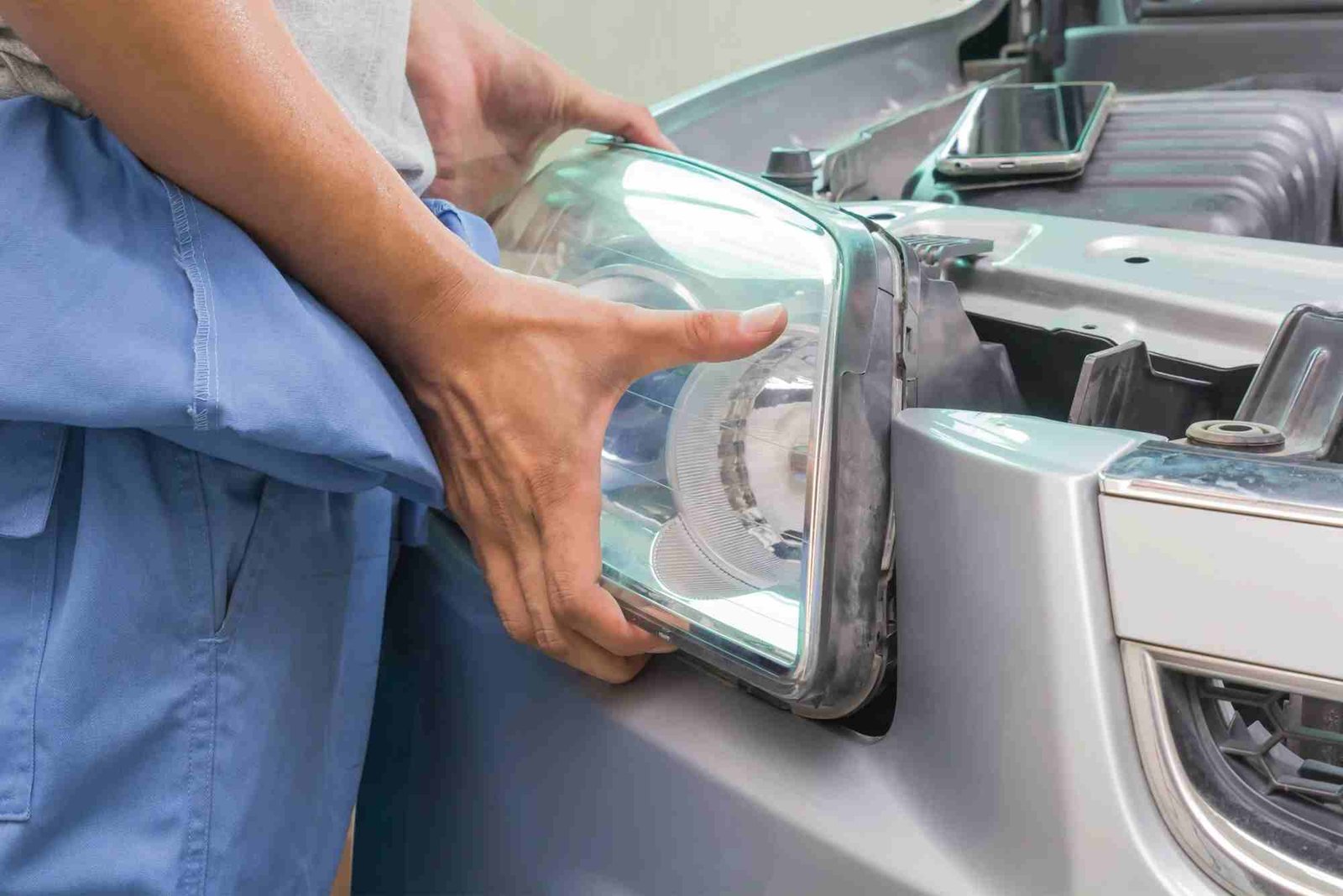
If cleaning, restoration, or bulb upgrades do not improve brightness, your headlight assembly may be damaged. Cracks or internal fogging can drastically reduce output, and replacing the assembly is the safest long-term solution.
Improving headlight brightness safely is essential for night driving and overall road safety. From regular cleaning and proper alignment to choosing the right bulbs and maintaining electrical connections, these steps ensure your headlights perform at their best without creating risks for yourself or others. Don’t compromise safety for brightness—use proven methods and professional guidance when needed.
Take action today: inspect your headlights, clean or restore them, and ensure your bulbs and wiring are in top condition. Brighter, safer headlights mean more confidence and control on the road.
FAQs
Why are my headlights dim even after replacing the bulbs?
Dim headlights may result from oxidized lenses, poor electrical connections, or misalignment. Cleaning and adjusting your headlights can restore brightness.
Can I use higher wattage bulbs to make headlights brighter?
Using bulbs with excessively high wattage can overheat the housing, damage wiring, and create glare. Stick to bulbs recommended for your vehicle.
Are LED headlights better than halogen?
Yes, LED headlights are brighter, last longer, and consume less energy. However, they must be compatible with your vehicle’s housing to avoid glare or electrical issues.
How often should I clean or restore headlights?
Headlights should be inspected and cleaned at least twice a year. Restoration may be needed every few years depending on exposure to sunlight and road conditions.
Can I adjust headlights myself?
Yes, minor adjustments can be done using a flat surface and a wall, but for precise alignment, a professional inspection is recommended.