
Introduction
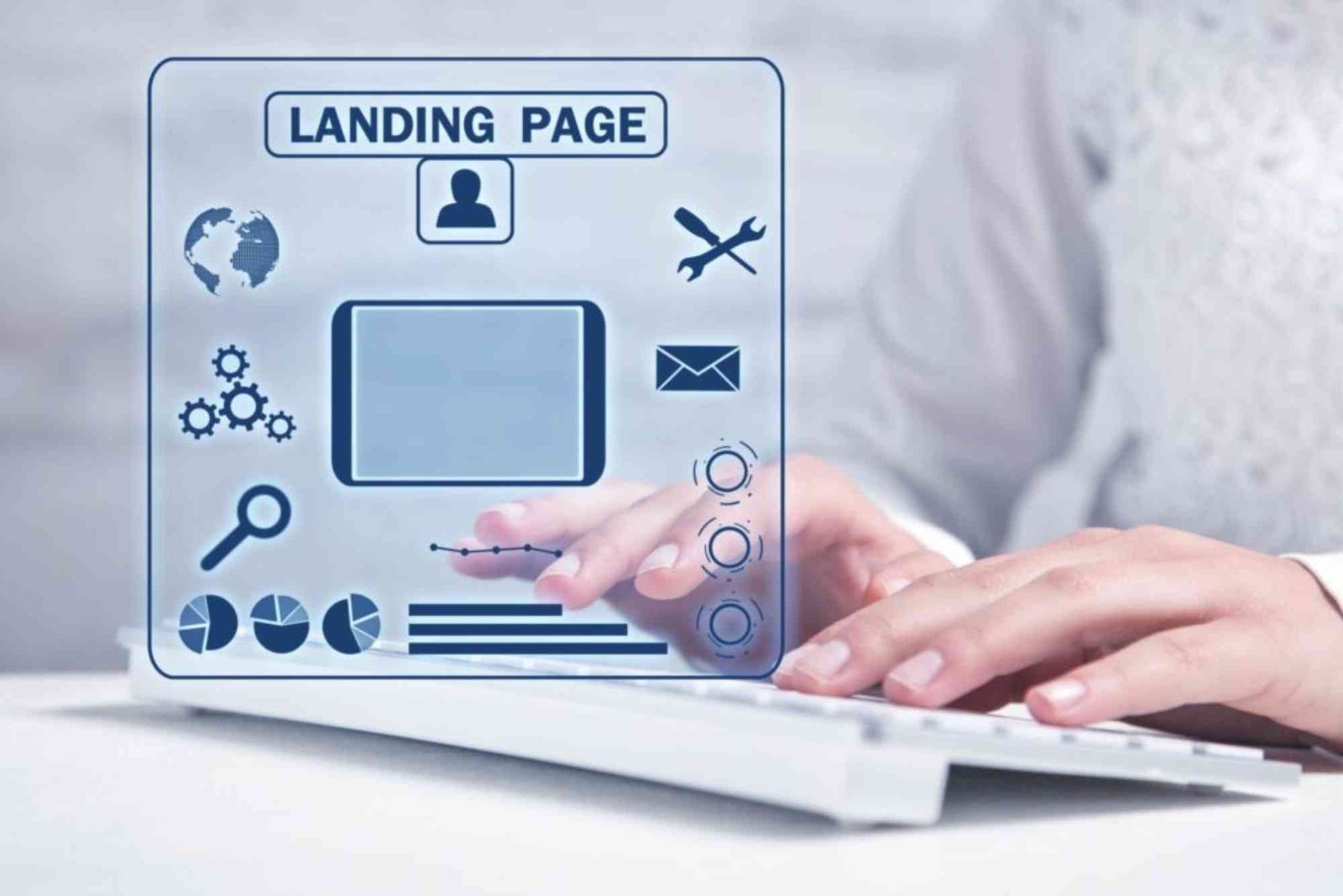
Landing pages are the gateway to your business’s success online. They’re more than just a place to showcase your product or service—they’re designed to persuade visitors to take a specific action, whether it’s making a purchase, signing up for a newsletter, or downloading a resource. Improving conversion rates on landing pages is crucial because even small enhancements can dramatically increase revenue and ROI. In this article, we’ll explore proven strategies to optimize your landing pages and turn more visitors into loyal customers.
Understanding Conversion Rates
Conversion rate is the percentage of visitors who complete your desired action on a landing page. For example, if 1,000 people visit your page and 50 sign up for your service, your conversion rate is 5%. Monitoring this metric is essential because it directly impacts your marketing effectiveness. Before optimizing your landing page, you should:
- Analyze current conversion rates.
- Identify which elements perform well and which don’t.
- Understand your target audience’s needs, expectations, and pain points.
Key Elements of High-Converting Landing Pages
Compelling Headlines
Your headline is the first thing visitors see, and it must immediately communicate value. A strong headline:
- Grabs attention with a clear benefit.
- Uses simple, direct language.
- Evokes curiosity or urgency.
Example: Instead of “Welcome to Our Platform,” use “Boost Your Sales by 30% in 30 Days with Our Tool.”
Persuasive Subheadings
Subheadings support the headline and provide additional context. They should:
- Highlight key benefits.
- Break content into digestible sections.
- Encourage visitors to continue reading.
Clear Call-to-Action (CTA)
The CTA is the single most important element for conversions. To optimize it:
- Use action-oriented words like “Get Started,” “Download Free Guide,” or “Claim Your Offer.”
- Make it visually prominent with contrasting colors.
- Keep it above the fold but also repeat it naturally throughout the page.
Social Proof
People trust others’ experiences. Adding social proof can increase credibility and trust:
- Customer testimonials with photos.
- Case studies showing measurable results.
- Trust badges, certifications, or media mentions.
Optimized Forms
Forms are often the conversion point, so they should be as simple as possible:
- Ask only for necessary information.
- Use smart design like inline validation and autofill.
- Offer incentives for form completion, such as discounts or free resources.
Design and User Experience Tips
Minimalist Design
Cluttered landing pages confuse visitors. Focus on:
- White space to emphasize important elements.
- Limiting navigation to reduce distractions.
- Consistent fonts, colors, and imagery.
Mobile Optimization
Over half of web traffic comes from mobile devices. Ensure your landing page:
- Loads quickly on smartphones.
- Has buttons that are easy to tap.
- Features readable fonts and appropriately sized images.
Fast Loading Speeds
A slow landing page leads to higher bounce rates. To improve speed:
- Compress images without losing quality.
- Minimize third-party scripts.
- Use reliable hosting services and caching mechanisms.
Content Strategies for Better Conversions
Benefit-Focused Copy
Visitors care more about what they gain than what you offer. Highlight benefits over features:
- Show how your product solves their problems.
- Use relatable language and storytelling.
- Include statistics or facts to support claims.
Urgency and Scarcity
Creating urgency encourages immediate action:
- Limited-time offers or countdown timers.
- Exclusive deals for early sign-ups.
- Stock scarcity messages like “Only 5 Left.”
Visual Elements
Visuals can simplify complex messages:
- Infographics to show statistics.
- Demo videos or product walkthroughs.
- High-quality images showcasing real-life usage.
Testing and Optimization
A/B Testing
Always test different variations of your landing page to find the most effective design and copy. Focus on:
- Headlines and subheadings.
- CTA text, color, and placement.
- Images and visual layout.
Heatmaps and Analytics
Use heatmaps and user behavior analytics to see where visitors click and scroll:
- Identify areas that receive little attention.
- Detect friction points that prevent conversions.
- Optimize page layout accordingly.
Continuous Iteration
Landing page optimization is ongoing. Monitor performance regularly and:
- Adjust copy based on engagement.
- Update social proof with fresh testimonials.
- Test new offers or incentives to keep content relevant.
Advanced Conversion Techniques
Personalization
Tailor content to user segments for better engagement:
- Location-based offers.
- Dynamic content based on browsing behavior.
- Personalized email follow-ups after landing page visits.
Exit-Intent Popups
Capture leads before they leave the page:
- Offer a discount or free resource.
- Highlight urgency or limited availability.
- Keep design simple and non-intrusive.
Retargeting Campaigns
Even optimized landing pages cannot convert everyone on the first visit. Use retargeting ads to:
- Remind visitors of your offer.
- Encourage return visits with special promotions.
- Rebuild trust with educational content or testimonials.
Improving conversion rates on landing pages requires a combination of persuasive content, user-friendly design, and data-driven optimization. By focusing on clear headlines, compelling CTAs, trust-building elements, and ongoing testing, businesses can significantly increase the effectiveness of their landing pages.
Take action today: audit your landing pages, implement these strategies, and start turning more visitors into loyal customers.
FAQs
What is a good conversion rate for a landing page?
A good benchmark varies by industry, but generally, 2–5% is average. High-performing pages can achieve 10–20% or more.
How can I make my CTA more effective?
Use action-oriented, benefit-focused language, place it prominently, and repeat it strategically throughout the page.
Does page load speed affect conversions?
Yes. Slow-loading pages frustrate users and increase bounce rates, lowering conversion rates significantly.
Should I use videos on my landing page?
Yes. Explainer videos or product demos increase engagement, help explain complex concepts, and can boost conversions.
How often should I test my landing page?
Regularly. Continuous A/B testing and analytics monitoring ensure your page adapts to user behavior and market trends.
Top SEO vs. PPC Strategies Explained – Unlocking online success means choosing the right approach. SEO focuses on organic growth through optimized content, keywords, and backlinks, building lasting visibility. PPC delivers instant traffic via paid ads, targeting specific audiences. Combining both boosts reach, traffic, and ROI effectively.