
Introduction
In today’s ultra-competitive fast-moving consumer goods (FMCG) market, packaging is no longer just a protective layer for products. It has evolved into a strategic tool that influences consumer behavior, drives sales, and builds brand loyalty. FMCG brands invest heavily in packaging design, materials, and functionality because the right packaging can make a product stand out on crowded retail shelves and persuade customers to buy. From color psychology to convenience and sustainability, packaging has become a key component in shaping purchase decisions.
The Role of Packaging in FMCG Sales
Packaging does more than just hold a product—it communicates brand values, attracts attention, and delivers an experience. FMCG brands leverage packaging to target specific consumer segments and trigger emotional responses that drive sales.
First Impressions Matter
When a customer walks past a shelf, the first thing they notice is packaging. Eye-catching designs, bold colors, and innovative shapes can make a product irresistible. Studies show that consumers often make split-second decisions based on visual appeal. Brands like Pepsi and L’Oréal consistently use distinct packaging to reinforce brand recognition and create a memorable impression.
Conveying Brand Identity
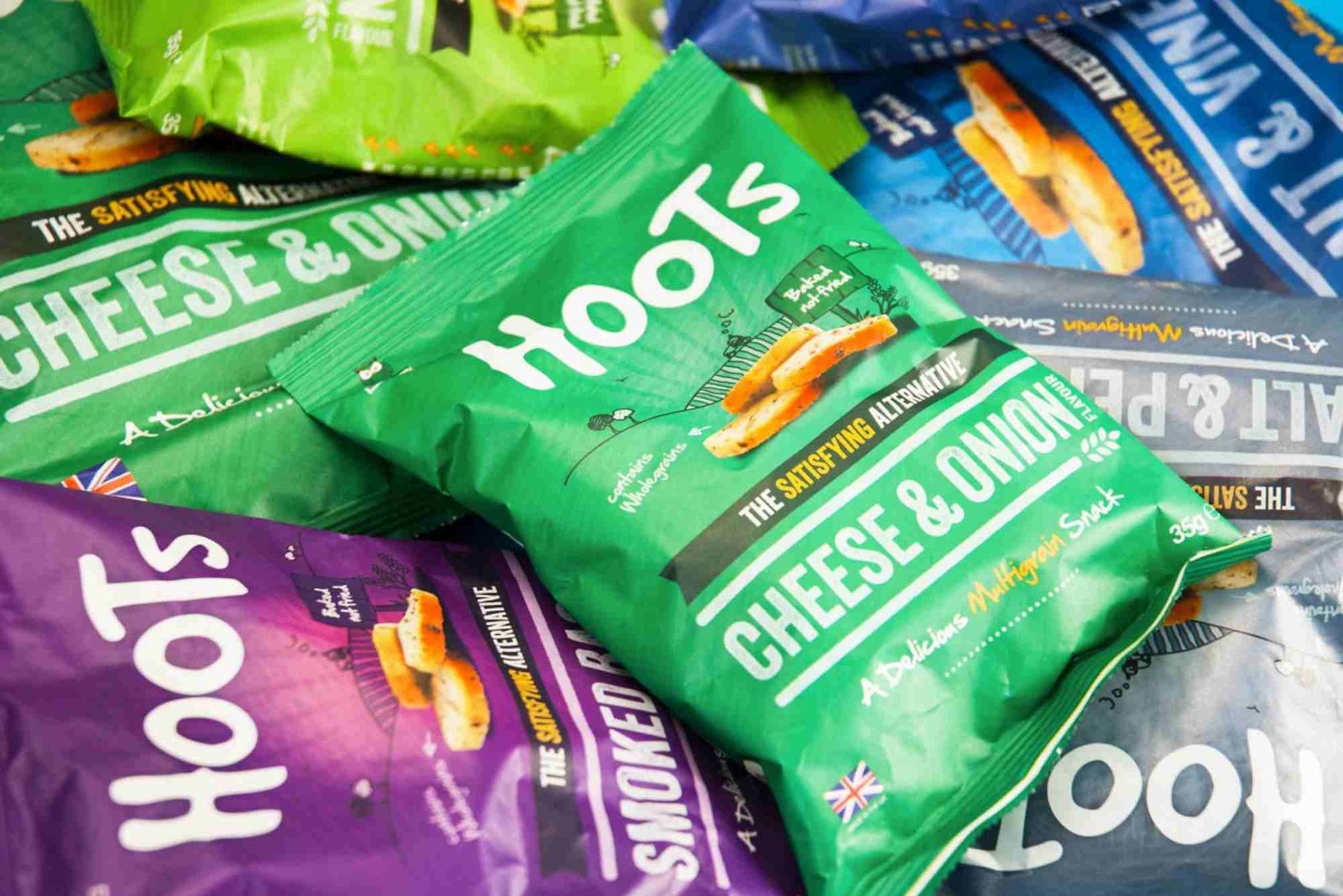
Packaging is an extension of a brand’s personality. For FMCG brands, it communicates quality, reliability, and lifestyle positioning. For example, luxury snack brands often use matte finishes and minimalistic designs to convey sophistication, while family-oriented products might use bright colors and playful fonts to signal fun and accessibility.
Driving Emotional Engagement
Modern consumers buy more than just a product—they buy experiences and emotions. Packaging that tells a story, evokes nostalgia, or aligns with consumer values can strengthen emotional connections. Limited-edition designs, seasonal packaging, and personalized labels create excitement and urgency, prompting purchases.
Key Packaging Strategies Used by FMCG Brands
FMCG brands use a combination of design, innovation, and psychology to optimize packaging for sales. Here are some strategies that have proven effective:
Visual Design and Aesthetics
Color Psychology
Colors can influence consumer perceptions and purchase intent. Red can create urgency and stimulate appetite, while green often signals natural or healthy products. Brands carefully select colors that resonate with their target audience. For instance, Tropicana uses vibrant orange packaging to convey freshness and energy.
Typography and Messaging
The choice of font and on-pack messaging communicates tone and builds trust. Clear, readable fonts paired with concise messaging can enhance perceived quality and credibility. Health-conscious products often highlight benefits like “organic,” “gluten-free,” or “low sugar” prominently to influence decisions.
Shape and Structural Innovation
Unique shapes or ergonomic designs can differentiate products from competitors. FMCG brands use this tactic to improve shelf visibility and convenience. For example, curved bottles, squeezable pouches, and resealable packaging make products easier to use and encourage repeat purchases.
Functional Packaging
Convenience Features
Busy consumers appreciate packaging that simplifies usage. Easy-open caps, single-serve portions, and resealable bags are examples of features that enhance convenience. Brands like Kraft and Nestlé have adopted functional packaging to increase usability and customer satisfaction.
Portability and Storage
Compact or lightweight packaging is attractive for consumers who value portability or space-saving storage. Products like snack packs and travel-sized toiletries are designed with portability in mind, encouraging on-the-go consumption.
Sustainable and Eco-Friendly Packaging
Environmental consciousness is influencing purchasing decisions. FMCG brands that adopt recyclable, biodegradable, or minimal packaging appeal to eco-conscious consumers. Unilever and Procter & Gamble have made sustainability a core packaging strategy to build brand loyalty and attract environmentally aware buyers.
Personalization and Limited Editions
Seasonal Packaging
Seasonal or holiday-themed packaging can increase sales by creating urgency and excitement. FMCG brands release special designs for festivals, holidays, or events to tap into emotional buying triggers.
Customization
Personalized packaging—such as name labels or custom messages—engages consumers directly, fostering a sense of exclusivity and connection. This strategy encourages both impulse buying and social sharing.
The Psychology Behind Packaging
Understanding consumer psychology is crucial for FMCG brands. Packaging influences buying behavior through visual cues, tactile experiences, and storytelling.
Cognitive Triggers
Color and Mood
Colors affect mood and perception. For example, blue conveys trust and reliability, which is why many hygiene and cleaning products use it. FMCG marketers use this principle to make products feel familiar and dependable.
Familiarity and Brand Loyalty
Consistent packaging reinforces recognition. Consumers are more likely to repurchase products they recognize and trust. Packaging changes, when done thoughtfully, can revitalize a brand while maintaining loyalty.
Scarcity and Urgency
Limited-edition packaging can create a sense of scarcity, prompting consumers to buy quickly. FMCG brands leverage this by releasing short-term product variations or collectible packaging.
Real-World Examples of FMCG Packaging Success
- Coca-Cola’s “Share a Coke” campaign: Personalized bottles with names increased consumer engagement and sales.
- Oreo limited-edition flavors: Seasonal packaging and new designs drive excitement and boost market share.
- Dove’s minimalistic, eco-friendly design: Communicates simplicity, sustainability, and self-care, aligning with brand values.
Packaging is far more than a container; it is a strategic tool that can dramatically influence sales in the FMCG sector. From grabbing attention on crowded shelves to reinforcing brand identity, enhancing convenience, and creating emotional connections, packaging plays a critical role in shaping consumer behavior. Brands that invest in innovative, visually appealing, and sustainable packaging enjoy higher engagement, stronger loyalty, and increased revenue.
FAQs
Why is packaging important for FMCG brands?
Packaging influences first impressions, communicates brand values, and can drive purchase decisions, making it essential for sales growth.
How does color affect consumer buying behavior?
Colors evoke emotions and perceptions—red can trigger urgency, green signals health, and blue conveys trust. Strategic color use can increase product appeal.
Can sustainable packaging boost sales?
Yes. Eco-friendly packaging attracts environmentally conscious consumers and enhances brand reputation, which can lead to higher sales and loyalty.
What is the impact of personalized packaging?
Personalization creates a direct connection with consumers, increasing engagement, brand affinity, and repeat purchases.
How can packaging increase convenience for consumers?
Features like resealable caps, single-serve portions, and ergonomic designs improve usability, encouraging repeat purchases.
Top Food Products Expected to Boom This Year – Consumers are leaning toward healthier, sustainable, and convenient options. Plant-based snacks, functional beverages, immunity-boosting foods, and eco-friendly packaged items are predicted to see massive growth. Brands innovating in taste, nutrition, and sustainability are set to dominate shelves and online markets.