
Introduction
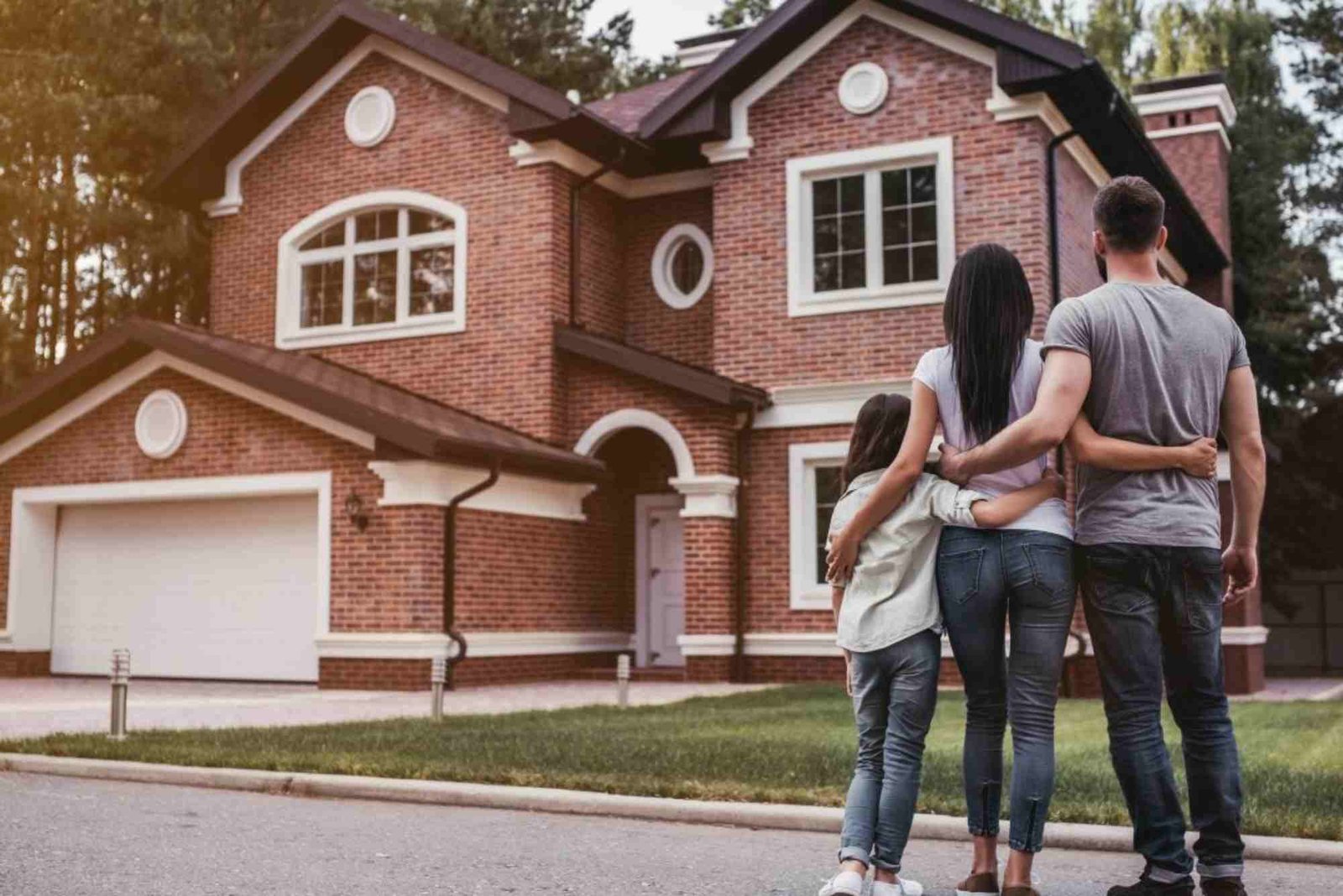
Buying a home is one of the biggest financial decisions most people will make in their lives. Traditionally, purchasing a home requires a down payment — usually 5% to 20% of the home’s price. However, for many first-time buyers or those with limited savings, this upfront cost can feel like an impossible hurdle. The good news is that buying a home with no down payment is possible through specific programs, loans, and strategies. In this comprehensive guide, we’ll walk you through the options, requirements, and tips to make your dream of homeownership a reality without dipping into a large savings account.
Understanding No Down Payment Home Buying
What Is a No Down Payment Mortgage?
A no down payment mortgage allows you to purchase a home without paying any portion of the home’s purchase price upfront. While traditional loans require a significant initial investment, these loans are designed to help buyers with limited cash reserves enter the housing market.
Who Can Benefit?
- First-time homebuyers: Those without substantial savings can leverage government-backed programs.
- Veterans and active military personnel: Special programs provide full financing.
- Low- to moderate-income buyers: Some lenders offer no down payment options for qualifying buyers.
Types of No Down Payment Loans
VA Loans
VA loans, offered to veterans, active-duty service members, and eligible spouses, are one of the most well-known no down payment options.
Key Features:
- 100% financing — no down payment required
- Competitive interest rates
- No private mortgage insurance (PMI)
- Closing costs may be negotiated
Eligibility Requirements:
- Must meet military service requirements
- Must have sufficient credit and income to cover mortgage payments
USDA Loans
The U.S. Department of Agriculture (USDA) provides loans for buyers in designated rural areas. These loans aim to promote homeownership in communities with lower population density.

Key Features:
- 100% financing available
- Low mortgage insurance fees
- Competitive interest rates
Eligibility Requirements:
- Home must be in a USDA-approved rural area
- Income must be within USDA limits
- Buyers must demonstrate steady employment
Other Zero Down Payment Options
Some conventional lenders and state-specific programs may offer 0% down payment options, often combined with first-time homebuyer incentives. Examples include:
- State Housing Finance Agency Programs: Many states have special loans for first-time buyers with limited funds.
- Employer-assisted housing programs: Some companies offer grants or forgivable loans for employees purchasing a home.
How to Qualify for No Down Payment Programs
Credit Score and Financial Health
Even without a down payment, lenders evaluate your creditworthiness. A higher credit score improves your chances of approval and can secure better interest rates.
Tips to Improve Eligibility:
- Pay down high-interest debt
- Avoid opening new credit accounts before applying
- Check credit reports for errors
Proof of Income and Stability
Lenders want assurance that you can reliably make monthly payments. Be prepared to provide:
- Pay stubs or employment verification
- Tax returns for the past 2 years
- Bank statements showing financial stability
Debt-to-Income Ratio
Most programs prefer a debt-to-income ratio (DTI) below 43%, though some may allow slightly higher. A lower DTI increases approval odds and demonstrates financial responsibility.
Tips for Buying a Home with No Down Payment
Research Local Programs
Many states and municipalities offer unique first-time homebuyer grants or down payment assistance programs that can complement federal options.
Consider Negotiating Closing Costs
Even if no down payment is required, you’ll still face closing costs. Some lenders allow sellers to cover these costs, reducing your out-of-pocket expenses.
Plan for Homeownership Costs
Without a down payment, your monthly mortgage may be higher. Budget for:
- Property taxes
- Homeowners insurance
- Maintenance and repairs
Get Pre-Approved
Before house hunting, get pre-approved for a loan. This strengthens your offer and helps you understand your budget limits.
Work with a Knowledgeable Realtor
Experienced realtors can guide you toward homes eligible for USDA, VA, or other no down payment programs and negotiate effectively on your behalf.
Advantages and Considerations
Advantages
- Enter the housing market sooner
- Preserve savings for emergencies or renovations
- Eligible for federal-backed loan benefits (VA, USDA)
Considerations
- Higher monthly payments due to no down payment
- Potentially higher interest rates for non-federal loans
- Limited home options in certain programs (e.g., USDA geographic restrictions)
FAQs
Can I buy a house with zero down payment?
Yes, programs like VA and USDA loans, as well as some state-assisted loans, allow qualified buyers to purchase homes with no down payment.
Do I need perfect credit for no down payment loans?
Not necessarily. Most programs have minimum credit score requirements, but they don’t require perfect credit. Improving your score can help you secure better rates.
Are there any hidden costs with no down payment mortgages?
While no down payment is required, closing costs, mortgage insurance (for non-VA/USDA loans), and ongoing maintenance still apply. Some programs may help cover these costs.
Can I use a no down payment loan for investment properties?
Typically, no. Most no down payment programs are designed for primary residences, not investment properties.
How long does it take to qualify for a VA or USDA loan?
With proper documentation, pre-approval can take a few weeks. Full approval may take 30–60 days depending on the lender and property.
Buying a home with no down payment is achievable with the right knowledge and planning. By exploring VA and USDA loans, state programs, and other assistance options, you can make homeownership a reality even without a large upfront investment. The key is to understand your eligibility, maintain a healthy financial profile, and work with experienced professionals to guide you through the process.
Related Reading: How to Rent Out Your Home Legally and Safely