
Introduction
In the fast-paced world of Fast-Moving Consumer Goods (FMCG), success hinges on understanding consumer needs and delivering products that meet expectations. Product testing is a critical step in this process, allowing companies to refine their offerings, ensure safety, and build trust with customers. From food and beverages to personal care and household products, testing ensures that every item on the shelf is ready for market. This article explores how FMCG companies conduct product testing, highlighting the methods, strategies, and technologies that drive product innovation and consumer satisfaction.
Understanding FMCG Product Testing
FMCG product testing is the systematic evaluation of a product before it reaches consumers. It is designed to assess performance, safety, usability, and appeal. Unlike durable goods, FMCG products are purchased frequently and consumed quickly, so quality and reliability are crucial.

Importance of Product Testing
Product testing in FMCG companies serves multiple purposes. First, it ensures compliance with regulatory standards and safety guidelines. Second, it evaluates whether a product delivers on its promises, such as taste, texture, aroma, or cleaning efficiency. Finally, testing helps companies understand consumer preferences, reducing the risk of market failure and increasing brand loyalty.
Regulatory Compliance
FMCG products, especially food, beverages, and cosmetics, must meet strict national and international regulations. Testing guarantees that products comply with safety standards, ingredient restrictions, labeling requirements, and shelf-life expectations. For example, food products undergo microbiological and chemical testing, while cosmetic products are tested for skin irritation and allergens.
Types of Product Testing in FMCG
FMCG companies use a variety of testing methods depending on the product category. These methods can broadly be categorized into laboratory testing, sensory evaluation, consumer testing, and pilot production testing.
Laboratory Testing
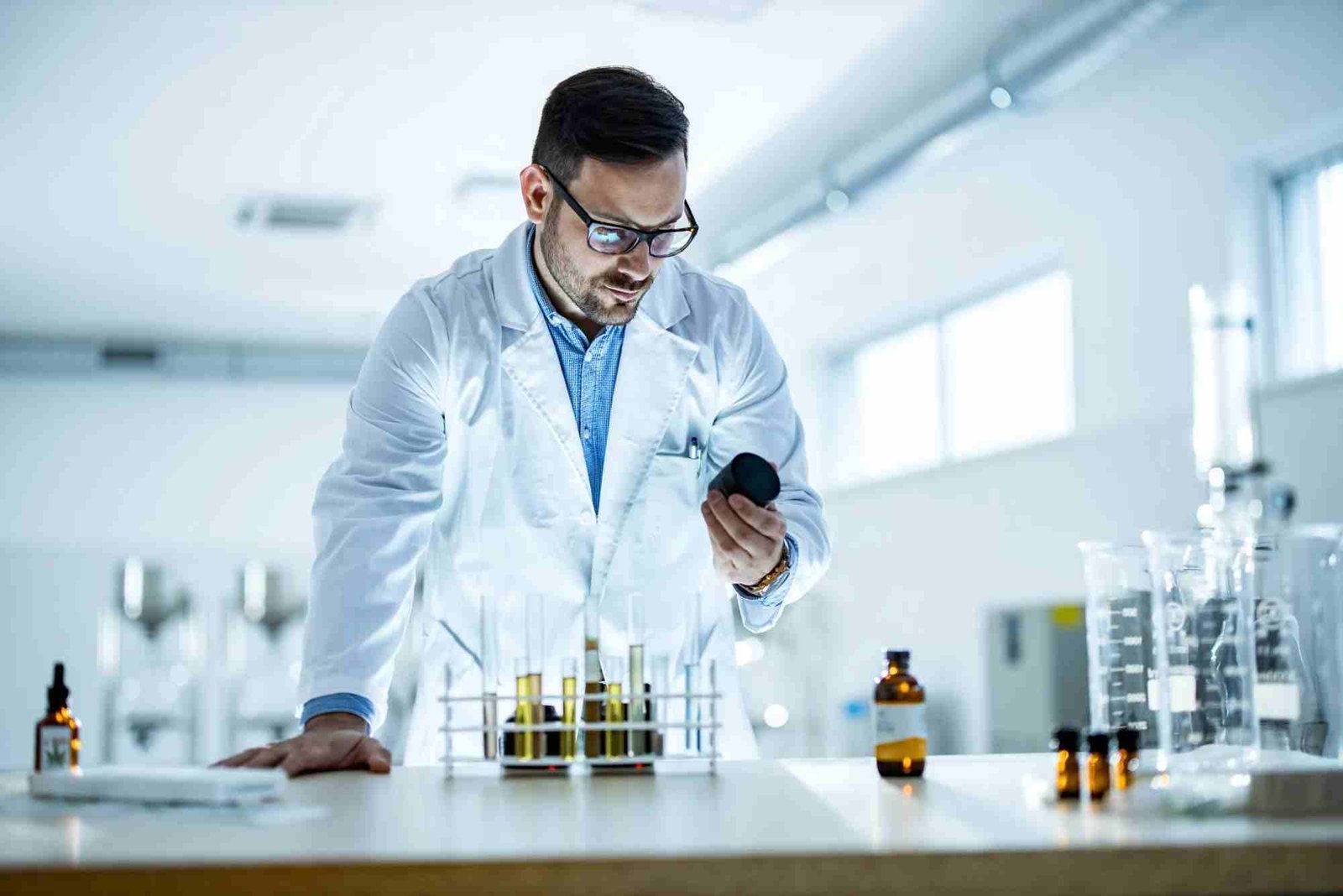
Laboratory testing is a controlled evaluation of a product’s physical, chemical, and microbiological properties. It ensures that a product is safe for use or consumption and performs as intended.
Chemical and Nutritional Analysis
For consumables, chemical analysis verifies ingredient composition, nutrient content, and potential contaminants. This step ensures the product aligns with nutritional claims and safety regulations.
Microbiological Testing
Food and beverage products undergo microbiological testing to detect harmful bacteria, yeast, and molds. This process ensures products are safe for consumption throughout their shelf life.
Stability and Shelf-Life Testing
Products are tested under different environmental conditions to determine stability and shelf life. For instance, beverages may be stored at varying temperatures to observe changes in taste, color, or texture.
Sensory Evaluation
Sensory evaluation focuses on how consumers perceive a product through taste, smell, texture, appearance, and sound. This type of testing is particularly important for food, beverages, and personal care products.
Taste Panels and Focus Groups
FMCG companies often use trained taste panels or focus groups to assess flavors, aromas, and overall product appeal. Feedback is used to refine formulas before a product is launched.
Texture and Appearance Testing
In categories such as skincare or detergents, sensory testing evaluates how a product feels, spreads, or performs during use. Visual inspection ensures products meet aesthetic expectations, such as color consistency or foam quality.
Consumer Testing
Consumer testing, or field testing, involves real-world trials with target audiences. This step helps companies understand how products are received in everyday life.
Home Use Tests (HUT)
Home Use Tests allow consumers to try products in their natural environment and provide feedback on usability, satisfaction, and overall experience. HUT results guide formulation adjustments and marketing strategies.
Test Markets
FMCG companies often launch products in select regions or stores to monitor sales performance, consumer behavior, and brand perception. Insights from test markets help decide whether to scale the product nationally or internationally.
Pilot Production and Packaging Testing
Before full-scale production, FMCG companies conduct pilot runs to identify potential manufacturing and packaging issues.
Production Trials
Pilot production ensures that formulations are scalable, ingredients mix correctly, and machinery can handle production without defects.
Packaging Evaluation
Packaging testing examines durability, safety, ease of use, and shelf appeal. Companies test for leakage, breakage, or tampering, and assess how packaging affects product perception and shelf life.
Emerging Technologies in FMCG Product Testing
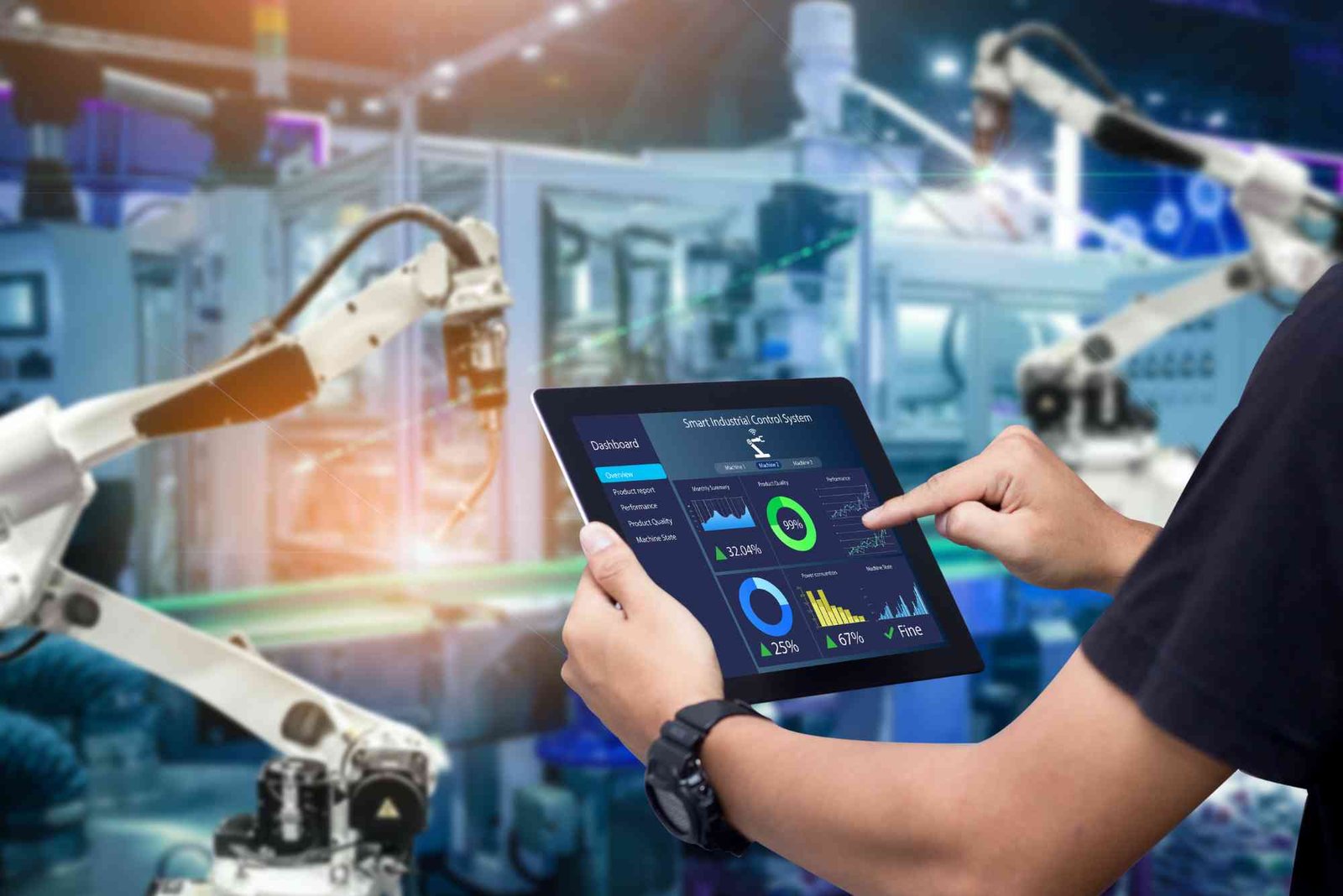
Advancements in technology are transforming how FMCG companies conduct product testing, making the process faster, more accurate, and cost-effective.
Digital Sensory Analysis
Digital sensors and AI-driven taste and aroma profiling are supplementing human sensory panels. These technologies help predict consumer preferences and ensure product consistency across batches.
Virtual Consumer Testing
Virtual testing platforms allow companies to simulate consumer experiences using 3D product visuals or AR/VR simulations. This reduces costs while collecting valuable insights from a wider demographic.
Predictive Analytics
By analyzing historical data and consumer behavior, predictive analytics can forecast product success, optimize formulations, and identify potential quality issues before launch.
Best Practices for Effective FMCG Product Testing
Effective product testing requires a combination of scientific rigor, consumer insight, and operational efficiency.
Define Clear Objectives
Companies must define clear objectives before testing, such as evaluating safety, taste, packaging durability, or consumer acceptance. Objectives guide the selection of testing methods and metrics.
Involve Target Consumers Early
Engaging target consumers in testing ensures that feedback is relevant and actionable. Early involvement reduces the risk of launching products that fail to meet expectations.
Iterative Testing and Continuous Improvement
Testing is not a one-time activity. Iterative testing allows companies to refine products based on feedback, ensuring continuous improvement and higher chances of market success.
Compliance and Documentation
Maintaining thorough documentation of testing protocols, results, and approvals ensures regulatory compliance and provides a reference for future product development.
FMCG product testing is an essential step in delivering safe, high-quality, and consumer-friendly products. By combining laboratory testing, sensory evaluation, consumer trials, and emerging technologies, companies can minimize risks, optimize formulations, and enhance customer satisfaction. For businesses aiming to thrive in the competitive FMCG landscape, investing in rigorous product testing is not optional—it is a strategic necessity.
FAQs
How long does FMCG product testing take?
The duration varies depending on the product type, complexity, and testing methods. It can range from a few weeks for simple sensory tests to several months for stability, microbiological, and pilot production testing.
Do all FMCG products require lab testing?
While most products undergo some form of laboratory testing, the extent depends on the category. Food, beverages, and personal care items typically require rigorous testing, whereas some non-perishable household products may focus more on performance and usability tests.
Can consumer feedback influence product formulation?
Absolutely. Consumer testing is a crucial step in refining product formulations. Feedback from taste panels, focus groups, or home use tests helps companies adjust flavors, textures, or other attributes to better meet consumer expectations.
What role does packaging play in product testing?
Packaging testing ensures products remain intact, safe, and appealing. It evaluates durability, leakage, tampering resistance, ease of use, and how packaging influences consumer perception.
Are digital technologies replacing traditional product testing?
Digital technologies complement rather than replace traditional testing. AI, predictive analytics, and virtual simulations enhance speed and accuracy but human sensory evaluation and real-world consumer feedback remain critical for reliable results.